
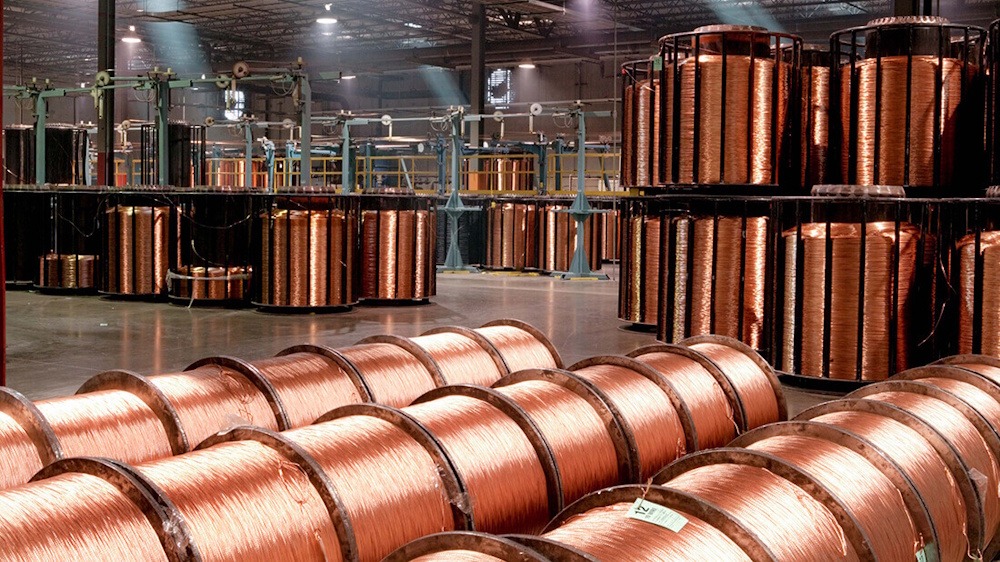
Copper experienced an increase of 1.34%, reaching Rs 1050.25, driven by constricted supply dynamics and a weaker US dollar, which enhanced purchasing activity. Supply-side constraints continue to play a pivotal role in the market’s robustness, as Chile — the leading global producer — has indicated a 7% year-on-year decline in October production, totaling 458,405 metric tons. Simultaneously, China’s leading smelters revealed intentions to reduce output by over 10% in 2026 in response to industry overcapacity and unfavorable treatment and refining charges, which have dipped below zero this year owing to limited copper concentrate availability.
The broader inventory landscape indicates a contraction in fundamental conditions. The copper stocks at the Shanghai Futures Exchange have decreased by 11.46% compared to the previous week, while inventories registered with the LME have seen a significant decline of 42% year-to-date, raising concerns regarding supply availability beyond the United States. Heightened Comex prices have prompted traders to shift shipments towards the US, further intensified by the ambiguity surrounding possible tariffs under the Trump administration.
Indicators of market equilibrium are persistently evolving. The International Copper Study Group indicated a deficit of 51,000 tons in September, contrasting with the surplus recorded in August. In the initial three quarters of the year, the surplus of refined copper experienced a significant contraction, decreasing to 94,000 tons from 310,000 tons in the same period the previous year.
Copper is currently experiencing a new buying phase, evidenced by a 0.47% increase in open interest to 8,817, alongside a price rise of Rs 13.85. Support is established at Rs 1040.4, with potential further decline towards Rs 1030.6. Resistance is established at Rs 1057.6, and a breakout above this level could drive prices toward Rs 1065.