
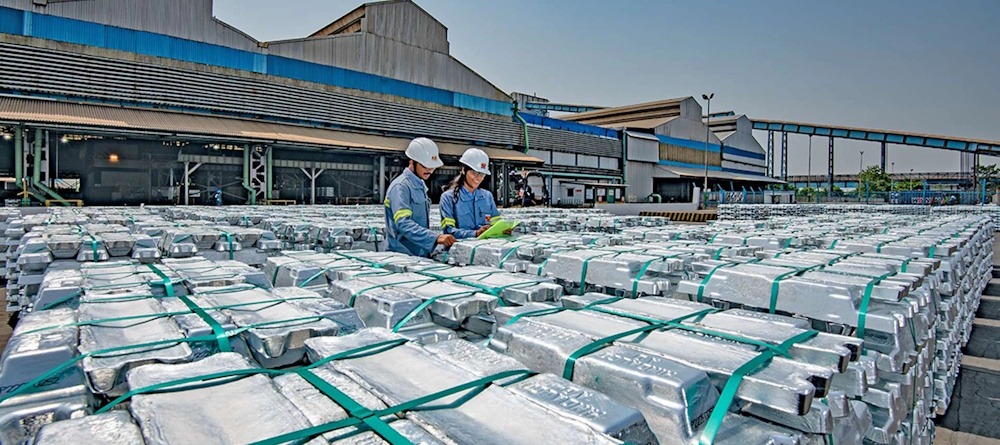
Aluminium prices experienced a modest increase of 0.27% to Rs 279, although gains were constrained by ongoing apprehensions regarding demand conditions in China, the leading consumer of metals globally. Despite concerns regarding demand, the downside remained limited as Chinese smelters near government-imposed capacity ceilings, thereby constraining supply growth. Aluminium inventories on the SHFE increased by 7.25% since last Friday, indicating short-term supply pressures. However, the overall outlook remains positive, bolstered by anticipated seasonal demand and constrained domestic output growth. Global supply concerns have also supported sentiment, as October primary aluminium production increased by a mere 0.6% year-on-year, reaching 6.294 million tonnes, based on IAI data.
Inventory trends beyond China presented a mixed picture — aluminium stocks at major ports in Japan decreased by 3.6% to 329,100 tonnes, indicating a tightening in regional availability. Supply disruptions have further elevated prices: Iceland’s Grundartangi smelter has suspended one potline, Alcoa has announced the closure of its Kwinana alumina refinery, and Century Aluminium has curtailed two-thirds of output in Iceland due to equipment failure.
In October, China experienced a 10.4% year-on-year increase in imports of unwrought aluminium and related products, building on a robust 35.4% rise in September. This trend underscores sustained demand from the construction, transportation, and packaging industries. Exports continued to demonstrate strength, with 542,000 tonnes dispatched in July.
Aluminium is currently experiencing a short-covering phase, as evidenced by a 2.2% decline in open interest to 3,208, accompanied by a price increase of Rs 0.75. Support is positioned at Rs 277.4, with a potential decline toward Rs 275.8 on the horizon. Resistance stands at Rs 280.6, with a potential breach leading prices toward Rs 282.2.