
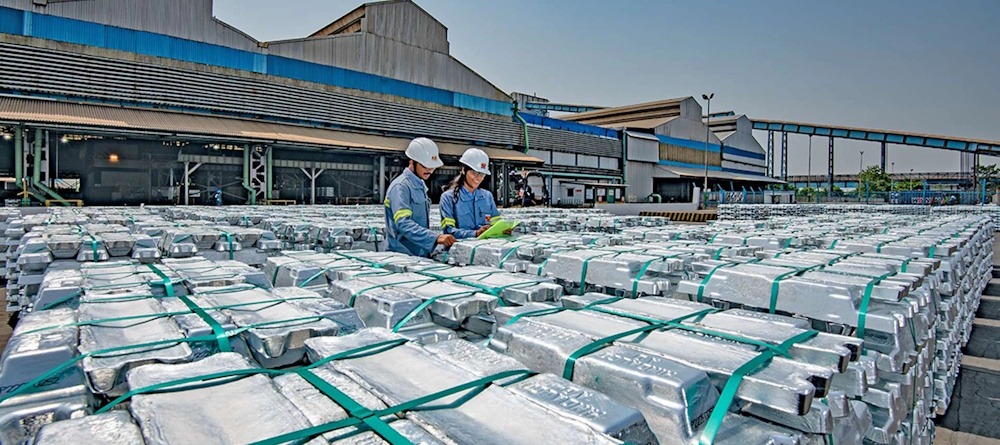
Aluminium prices concluded the session with a slight decline, decreasing by 0.04% to Rs 284.4, as market participants took profits following a period of supply-driven optimism. Prices had strengthened in response to South32’s announcement regarding the Mozal smelter in Mozambique, which is set to enter care and maintenance by March 2026 due to the absence of a new power agreement. This decision is anticipated to constrict global aluminium supplies in the coming year.
Supply concerns were further intensified by interruptions at Iceland’s Grundartangi smelter, where one potline was halted due to equipment malfunction. Support was also derived from a 5.2% month-on-month decline in inventories at major Japanese ports, which fell to 312,100 tonnes by the end of November, in conjunction with producers pursuing significantly higher premiums for shipments scheduled between January and March.
Fundamental support is sustained by the anticipation that China, the leading global producer, is approaching its annual output limit of 45 million tonnes. In November, global primary aluminium production experienced a year-on-year increase of 0.5%, reaching a total of 6.086 million tonnes, as reported by IAI data. Nonetheless, the potential for gains was limited by resurfacing demand apprehensions from China, as lackluster macroeconomic indicators persisted in dampening market sentiment. In November, China experienced a 14% year-on-year decline in imports of unwrought aluminium and related products. However, the cumulative imports for the period from January to November showed an increase of 4.4%.
From a technical perspective, the market is experiencing long liquidation, evidenced by a 22.63% decrease in open interest to 1,210, coinciding with a slight decline in prices. Aluminium demonstrates support at Rs 283.1; a decline below this level may lead to a test of Rs 281.8. Resistance is identified at Rs 286.3, with additional potential at Rs 288.2.