
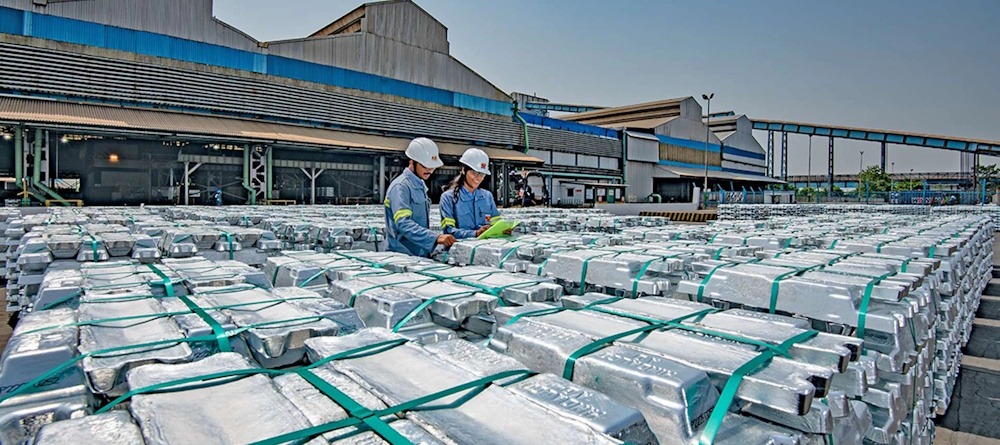
Aluminium prices experienced a notable recovery in the last session, closing up by 2.74% at Rs 314.8. This increase was bolstered by a rise in investor confidence, reflecting early indications of economic stabilization in China, attributed to Beijing’s strategic support for essential sectors. Further assurance arose from China’s reaffirmation of its dedication to mitigating overcapacity in metal production to alleviate deflationary pressures. As the nation anticipates exceeding its 45-million-ton output limit this year, smelters are expected to limit production expansion in 2026. This shift will prompt producers to redirect capped supply towards domestic markets instead of exports.
Consequently, China’s aluminium exports experienced a decline of 9.2% year-on-year in November. On the supply side, global disruptions offered additional backing. Chinese smelters’ ambitions for overseas expansion, especially in Indonesia, are persistently hindered by elevated energy expenses and regulatory obstacles.
Concurrently, heightened electricity costs, machinery malfunctions, challenges in bauxite procurement, and geopolitical uncertainties have resulted in the suspension of operations at smelters located in Iceland, Mozambique, and Australia. Inventory trends exhibited a divergence, as SHFE stocks experienced a modest increase of 1%, whereas aluminium inventories at key Japanese ports saw a notable decrease of 5.2% month-on-month. In November, there was a slight uptick in global primary aluminium production, with China’s output experiencing a year-on-year increase of 2.5%.
From a technical perspective, the market is experiencing short covering, as evidenced by a 1.54% decline in open interest to 3,908 contracts, coupled with a Rs 8.4 increase in price. Aluminium exhibits support at Rs 309.5, with a potential decline initiating at Rs 304.2. Resistance levels are identified at Rs 317.7, with additional resistance at Rs 320.6 contingent on sustained strength.