
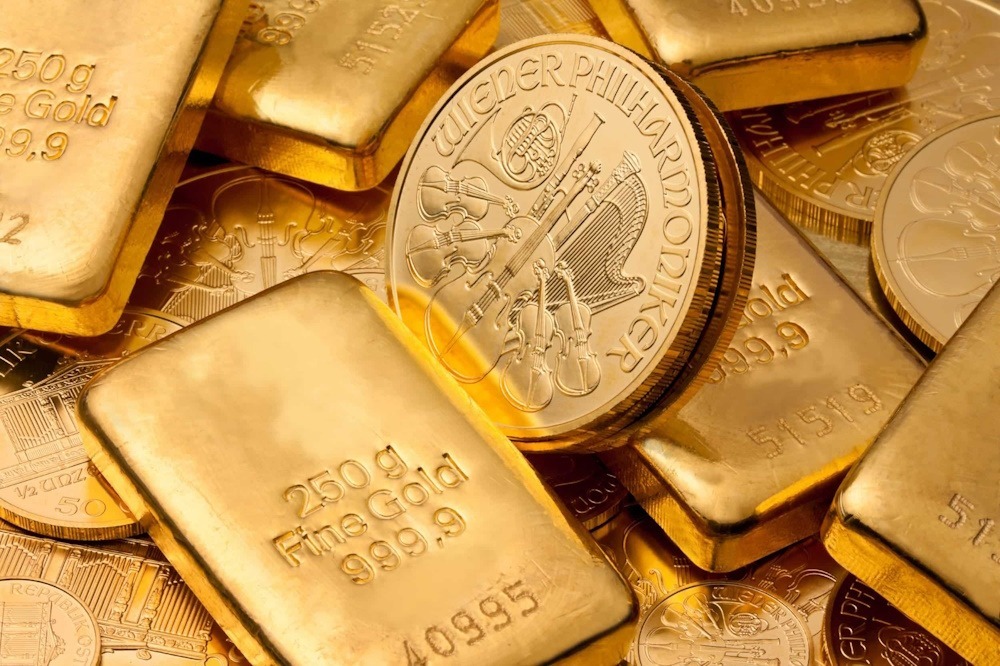
Gold prices experienced a significant increase, closing up by 2.31% at Rs 142,032, as the yellow metal reached new all-time highs exceeding the $4,600 per ounce threshold. The significant increase was propelled by elevated geopolitical and political uncertainty, especially worries regarding the autonomy of the U.S. Federal Reserve in light of recent events surrounding a criminal inquiry involving Fed Chair Jerome Powell. Increased tensions concerning Iran, coupled with overarching global instability, have further bolstered the demand for safe-haven assets.
Anticipations of a more lenient monetary policy have also bolstered support, as Fed funds futures incorporate further rate reductions in the current year. Underlying fundamentals remain robust, as persistent central-bank purchasing continues to provide a foundation for price stability. At the conclusion of December, gold holdings in London vaults reached 9,106 tonnes, reflecting a month-on-month increase of 2.24%.
Concurrently, silver inventories also saw an uptick. Prominent global banks maintain an optimistic outlook, projecting gold prices to reach $5,000 per ounce by 2026, driven by increasing geopolitical tensions, fiscal pressures, and heightened market volatility. Physical demand exhibited varied trends, as elevated prices constrained purchasing in India, whereas premiums in China surged significantly due to renewed retail interest. The Chinese central bank has prolonged its gold acquisition for 14 consecutive months, thereby bolstering structural demand.
From a technical perspective, the market is experiencing short covering, evidenced by a 2.21% decline in open interest alongside a price increase to Rs 3,213. Gold currently exhibits immediate support at Rs 140,250; a decline beneath this level could lead prices to test Rs 138,475. On the upside, resistance is observed at Rs 143,150, and a sustained movement above this threshold could propel prices toward Rs 144,275.