
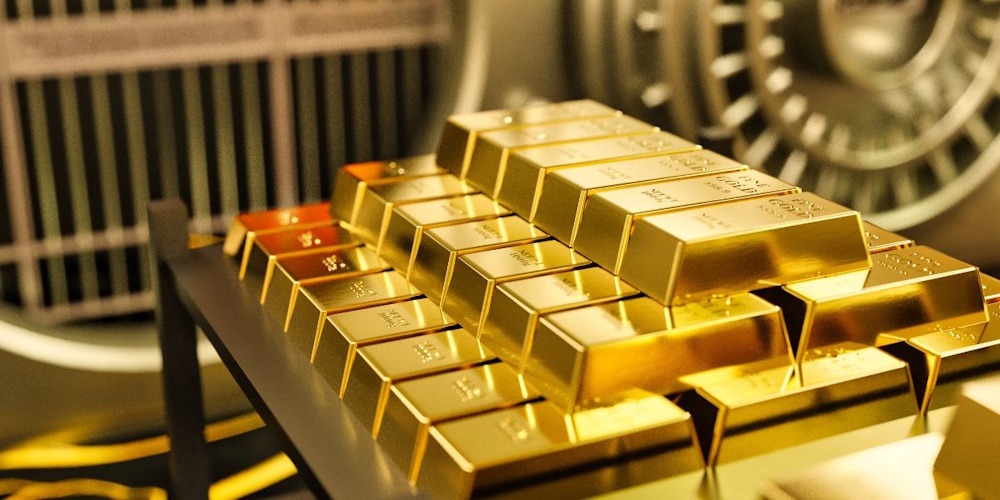
Gold prices experienced a significant increase, closing up 2.19% at Rs 145,639, reaching a new record high, propelled by robust safe-haven demand. Purchasing activity surged following President Trump’s announcement of new tariffs on various European nations, heightening fears of a worsening trade dispute and possible countermeasures from the EU. Ongoing geopolitical tensions involving Venezuela and Iran, coupled with renewed doubts regarding the Federal Reserve’s independence, have further solidified the appeal of bullion.
The resilience of gold this year builds on a robust performance in 2025, underscoring a persistent investor inclination towards defensive assets. Data indicated that gold holdings in London vaults increased by 2.24% month-on-month, reaching 9,106 tonnes in December, which suggests ongoing institutional accumulation. Major global banks have adopted a more optimistic outlook: Commerzbank, HSBC, and UBS now project that gold could approach or test the $5,000/oz threshold by 2026, attributing this forecast to geopolitical risks, escalating debt levels, dollar depreciation, and heightened market volatility.
Central bank demand continues to be a vital component, as China has prolonged its gold-buying streak to 14 months, while global official purchases are set to accelerate into late 2025. Physical demand exhibited varied regional trends. Indian demand remained subdued in the face of record prices, whereas China engaged in trading close to parity in anticipation of the Lunar New Year.
From a technical perspective, the market is experiencing short covering, as evidenced by a 0.83% decline in open interest coupled with a significant increase in price. Gold exhibits support at Rs 144,050, with potential for additional downside testing around Rs 142,460 should this level be breached. On the upside, resistance is positioned at Rs 146,500, and a decisive move above this level could facilitate a trajectory toward Rs 147,360.