
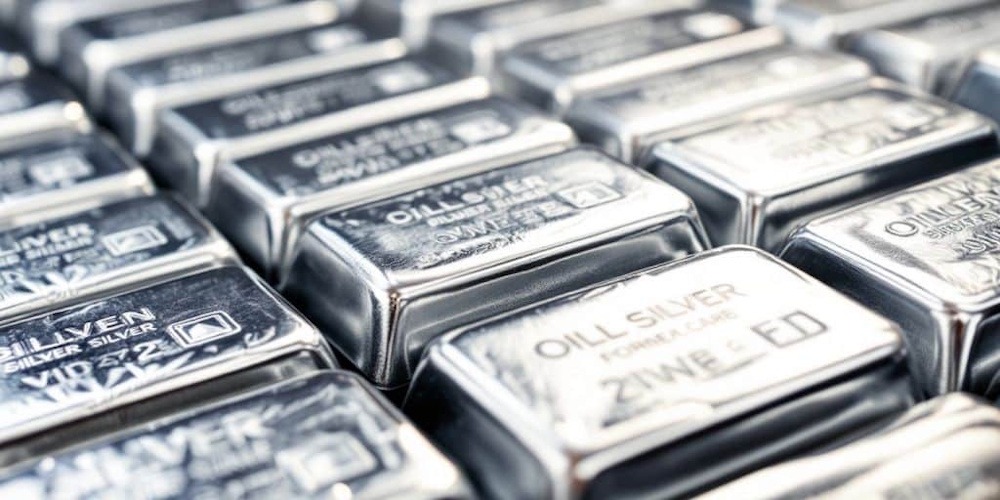
Although it has seen a decrease, going below $94, silver continues to remain close to the levels at which it reached its historical peaks. Because of the growing tensions between the United States and Europe about Greenland, there has been a major increase in the desire for safe havens for capital investments. There has been a discernible increase in the level of concern around the decrease in European investment in assets located in the United States.
There has been a significant decrease in the value of Japanese bonds, which has increased concerns about the viability of the global fiscal system. Strong consumer demand in the retail sector was the driving force behind a sharp increase in silver acquisitions across the world.
The price of silver dropped to a level that was little lower than $94 per ounce, but it continued to be relatively near to its all-time highs. This was due to the continuous geopolitical concerns and pressures in the bond market, both of which maintained the demand for safe-haven assets. The rising tensions between the United States and Europe regarding Greenland, in conjunction with the impending implications of tariffs, have contributed to the volatility that has been observed in global markets.
The possibility for Europe to deploy its considerable financial assets in the United States became a source of increased concern, particularly in view of the fact that a decrease in the value of Japanese government bonds brought to light further fiscal deficiencies. The silver market continues to be limited, with significant retail demand coming from places such as China, India, and the Middle East. This demand continues to create a bullish outlook despite the fact that prices have fluctuated slightly.