
Natural gas prices experienced an increase, closing up by 1.81% at Rs 326.4, bolstered by anticipations that severe cold weather will significantly elevate heating demand while simultaneously restricting production due to freeze-offs at oil and gas wells. Weather forecasts suggest that temperatures are likely to stay predominantly below normal until February 5, with the most frigid period anticipated from January 24 to 27, thereby bolstering short-term demand optimism.
On the supply side, U.S. output has exhibited indications of weakening. As reported, average gas production in the Lower-48 has decreased to 108.7 billion cubic feet per day in January, down from a peak of 109.7 billion cubic feet per day in December. Daily output is anticipated to decrease to a three-month low of approximately 106.2 bcfd, primarily driven by reductions in North Dakota and Arkansas. Nonetheless, storage data continues to present a varied impact. U.S. utilities recorded a withdrawal of merely 71 bcf from storage in the week ending January 9, significantly underperforming expectations and representing a much smaller draw compared to the previous year.
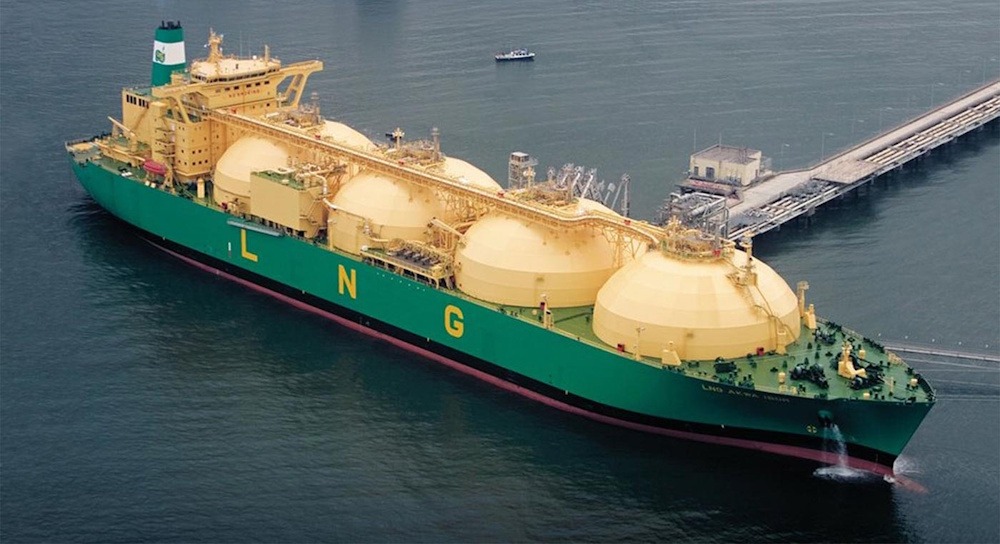
This outcome resulted in inventories reaching 3.185 tcf, surpassing both the levels from a year ago and the five-year average. In the longer term, the EIA anticipates that U.S. gas production will reach unprecedented levels in 2026–27, while domestic consumption is projected to decline, a trend that will be somewhat counterbalanced by increasing LNG exports.
From a technical standpoint, the market is experiencing short covering, evidenced by a 22.09% decline in open interest to 12,489, coinciding with a price increase of Rs 5.8. Natural gas establishes a support level at Rs 317; a decline beneath this threshold may challenge the Rs 307.5. Resistance is identified at Rs 338.5, with a breakthrough suggesting potential upward movement towards Rs 350.5.