
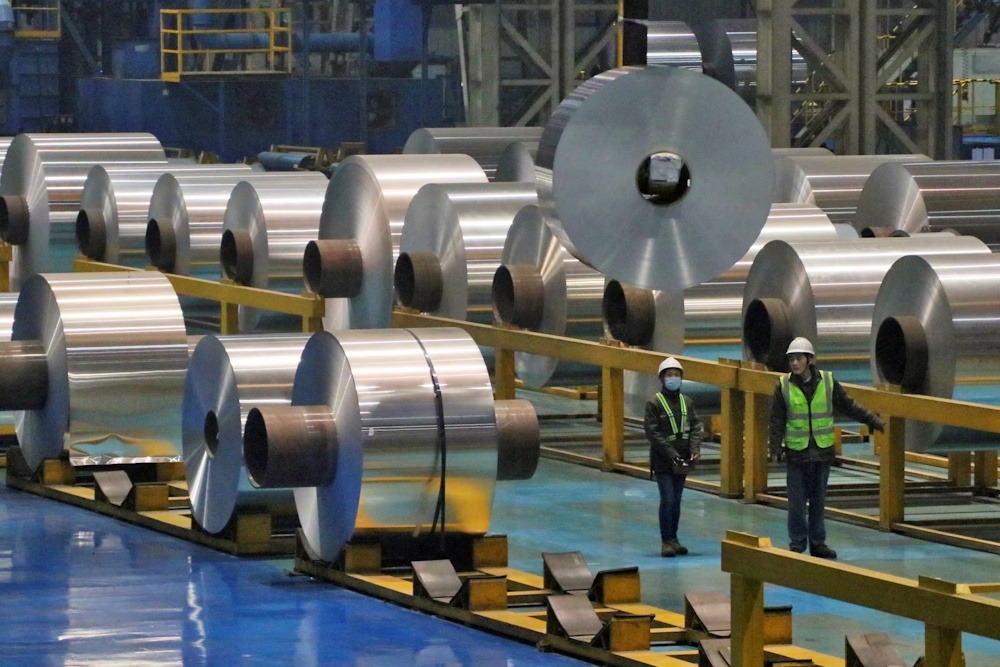
Aluminium prices experienced a notable increase of 4%, concluding at Rs 331.45, largely influenced by constricting global supply dynamics and robust investor positioning. Supply-side pressures have intensified due to production disruptions at key smelters located in Iceland, Mozambique, and Australia, thereby constraining near-term availability. Sentiment experienced an additional uplift following Goldman Sachs’ revision of its first-half average aluminium price forecast to $3,150 per tonne, up from $2,575. This adjustment was attributed to critically low inventories, uncertainties regarding power availability for new smelters in Indonesia, and strong demand growth stemming from electric vehicles, power grids, and sectors related to energy transition.
Macro support was bolstered by developments in China, where optimism increased following indications of ongoing policy easing. The People’s Bank of China reaffirmed its intentions to reduce reserve requirement ratios and interest rates in 2026, thereby ensuring sufficient liquidity and bolstering industrial activity. In December, global primary aluminium production increased by 0.5% year-on-year, reaching 6.296 million tonnes, as reported.
China’s refined aluminium production reached a historic high of 3.87 million tonnes in December, reflecting an increase of nearly 3% year-on-year, while the total output for the year 2025 saw a rise of approximately 2–3%, slightly exceeding the established capacity limit. Inventory data presented a mixed picture, as SHFE aluminium stocks experienced a 6% increase last week, whereas Japanese port inventories saw a modest rise of 1.5%.
From a technical perspective, the market is experiencing new buying activity, evidenced by a 12.54% increase in open interest. Support is identified at Rs 323.3, beneath which prices may approach Rs 315.1. Conversely, resistance is positioned at Rs 336.3, with an upside target of Rs 341.1 upon a breakout.