
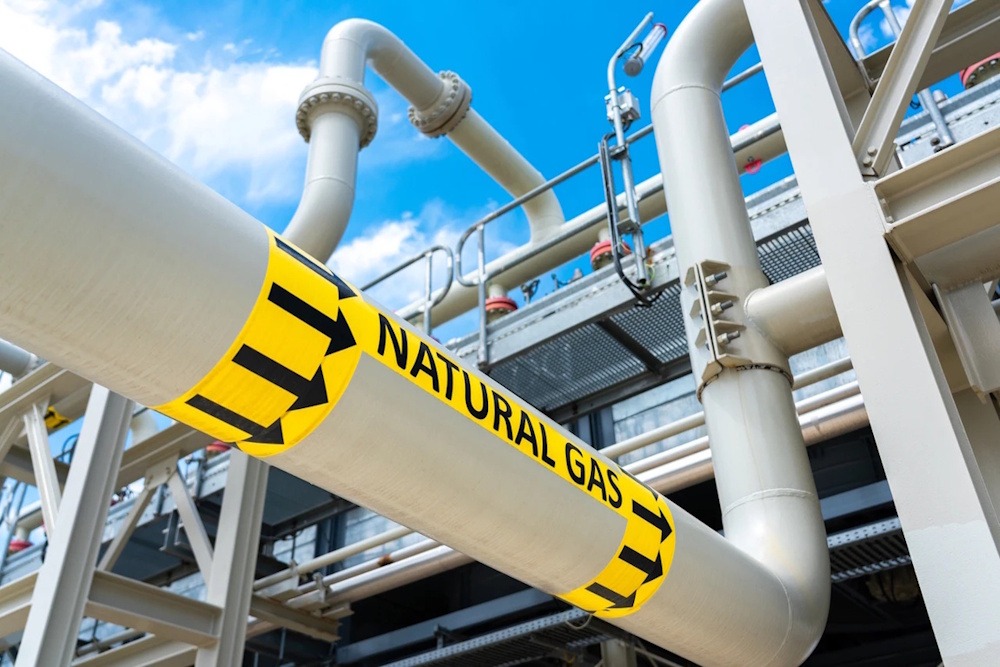
Natural gas prices experienced a significant correction, declining by 27.15% to close at Rs 294.9, as concerns over weather-driven demand influenced market sentiment. Projections from the National Oceanic and Atmospheric Administration suggest that temperatures will be milder than usual across a substantial portion of the U.S., leading to a notable decrease in anticipated heating demand, even as some colder areas persist in the southern regions. Furthermore, geopolitical risk premiums have diminished following U.S. President Donald Trump’s indication of advancements in negotiations with Iran, thereby alleviating concerns regarding potential supply disruptions along critical shipping lanes.
On the supply side, there was an improvement in flows to LNG export facilities, bolstered by the expected resumption of a liquefaction train at Freeport LNG. Nonetheless, the dynamics of gas production exhibit a mixed pattern. As reported, the average output in the Lower-48 states decreased to 106.2 bcfd in January, down from December’s record levels, although daily production is showing signs of recovery following disruptions caused by weather conditions.
Storage data indicated a withdrawal of 242 bcf, exceeding expectations and attributed to recent cold weather. Nevertheless, inventories continue to surpass both last year’s figures and the five-year average. Longer-term projections from the EIA indicate that production is expected to reach record highs in 2026, despite a moderation in domestic demand, which is partially counterbalanced by increasing LNG exports.
From a technical perspective, the market is evidently experiencing long liquidation, as indicated by a 17.52% decrease in open interest coupled with a significant price decline of Rs 109.9. Immediate support is positioned at Rs 261.5, with a breach below this level potentially revealing Rs 228.1. On the upside, resistance is observed at Rs 358.5, with additional strength potentially paving the way towards Rs 422.1.