
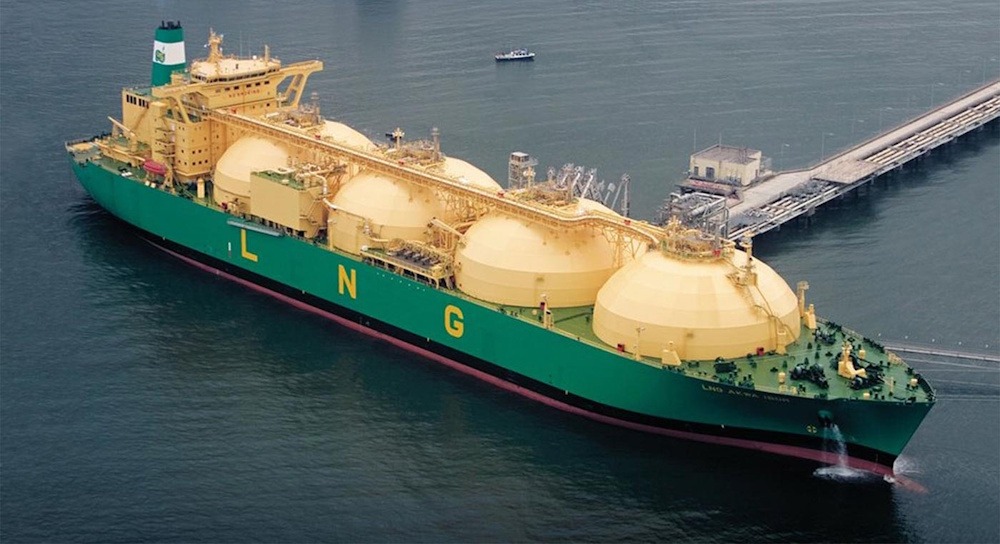
Natural gas prices experienced a modest increase, closing at Rs 320.2, reflecting a rise of 0.91%. This uptick was bolstered by enhanced flows to U.S. liquefied natural gas export terminals and upward adjustments to short-term demand forecasts. The increase occurred notwithstanding predictions indicating a predominantly warmer-than-average climate until mid-February, which is anticipated to limit heating requirements. Following last week’s Arctic blast, temperatures in the majority of regions are expected to return to normal levels, although the U.S. Northeast may experience below-normal conditions for an additional week.
On the supply side, average gas output in the Lower 48 states has increased marginally to 106.4 bcfd thus far in February, remaining below the peak of 109.7 bcfd recorded in December. LSEG projects that total gas demand, encompassing exports, will decline from 160.0 bcfd this week to 140.9 bcfd next week, indicative of the anticipated reduction in weather-related consumption.
Storage data continued to be a central point of analysis, as U.S. utilities reported a record withdrawal of 360 bcf for the week ending January 30, significantly surpassing seasonal averages and tightening near-term balances. The longer-term outlooks exhibit a degree of variability. The EIA anticipates that U.S. gas production will reach new highs in 2026 and 2027, whereas domestic consumption is expected to decline slightly, a trend that will be partially counterbalanced by consistently increasing LNG exports.
From a technical perspective, the market is experiencing short covering, evidenced by a decline in open interest of 8.71% concurrent with rising prices. Natural gas exhibits support at Rs 311; a decline below this level may lead to a test of Rs 301.9. Conversely, resistance is identified at Rs 330.8, with a breakout potentially paving the way towards Rs 341.5.