
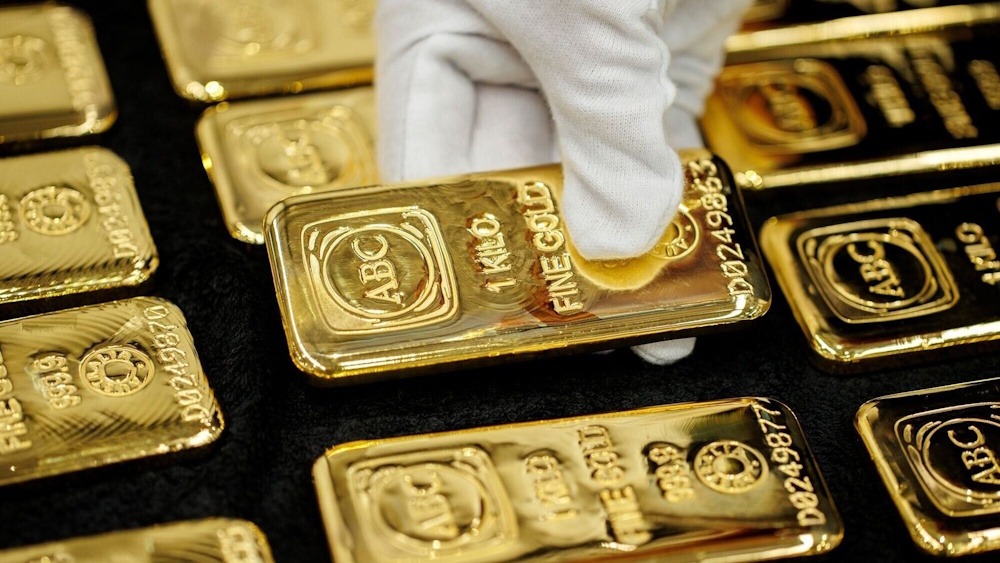
Gold declined by 0.89%, closing at Rs 159,709, as investors adopted a cautious stance in anticipation of more clarity regarding U.S.–Iran discussions and reevaluated the prospects for U.S. interest rates. Anticipations regarding imminent Federal Reserve rate reductions have diminished, as markets predominantly forecast stable rates until April, while attributing an increased likelihood to a cut in July. Persistent inflation worries remain a significant factor dampening optimistic market sentiment.
Trade developments remain a focal point as U.S. officials indicated that tariffs may increase to 15% where deemed appropriate, thereby introducing an additional layer of uncertainty. In light of the recent short-term pullback, the longer-term sentiment continues to exhibit a constructive outlook. JP Morgan anticipates that demand from central banks and investors will drive prices to approximately $6,300 per ounce by the end of 2026, while also increasing its long-term projection to $4,500.
The trends in physical demand present a mixed picture. In January, Swiss gold exports experienced an 8% decline, marked by a significant reduction in shipments to the UK, while there was an uptick in flows to China and India. In India, fluctuating prices resulted in discounts reaching $18 per ounce, while inflows into ETFs more than doubled in January. China’s gold ETF holdings and central bank reserves exhibited a consistent upward trajectory through 2025.
From a technical perspective, the market is experiencing long liquidation, as evidenced by a slight decrease in open interest to 7,764. Support levels are identified at Rs 158,480 and Rs 157,260, whereas resistance is positioned at Rs 160,890. A breach of this level may challenge Rs 162,080.