
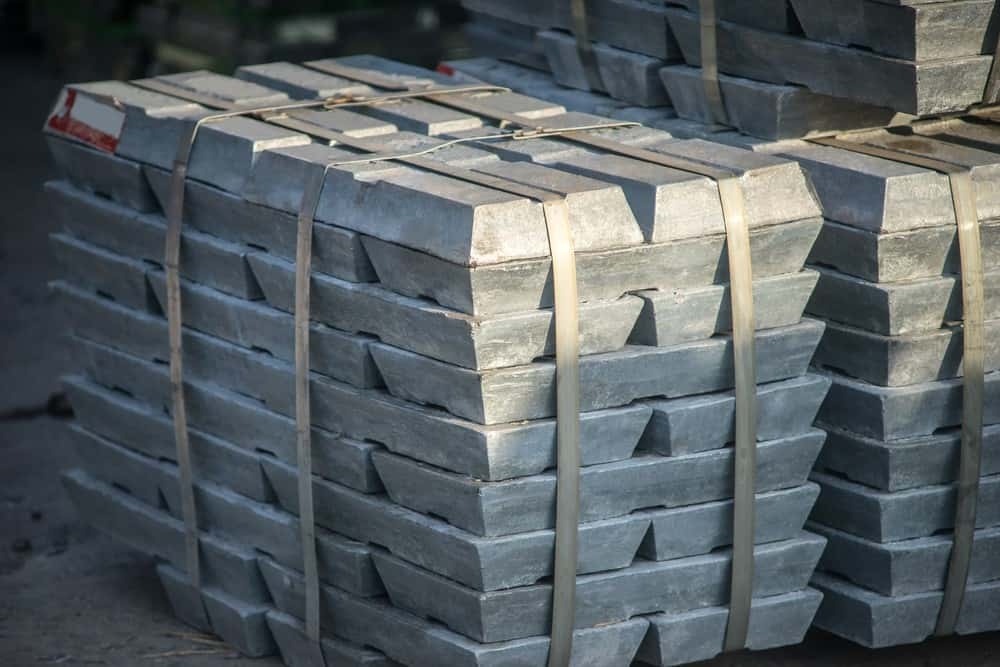
Zinc prices concluded the trading session with a modest increase, rising by 0.28% to reach Rs 327.85, primarily bolstered by constrained supply dynamics and apprehensions regarding potential mine disruptions. Reduced inventories and disruptions in production have persisted in supporting the market, contributing to the stability of prices. Nonetheless, the increases were constrained as a robust U.S. Dollar Index, driven by geopolitical tensions surrounding Iran, dampened sentiment and heightened worries regarding global manufacturing demand.
On the supply front, inventories in warehouses monitored by the Shanghai Futures Exchange surged by 44.8%, indicative of post-holiday stock replenishment following the reopening of Chinese markets. Although the increase in stock prices exerted some pressure on the market, the anticipation of restocking demand from China provided a mitigating effect on the decline. Regarding production advancements, Boliden has resumed operations at the Tara mine in Ireland, while Ivanhoe Mines is progressively increasing output at the Kipushi project located in the Democratic Republic of the Congo.
In the interim, a zinc mine located in southwest China suspended operations in early February, with a resumption anticipated in March, thereby marginally constraining the availability of concentrate. The International Lead and Zinc Study Group reports that the global zinc market experienced a deficit of 33,000 tons in 2025. However, increasing mine production indicates a potential transition to a modest surplus in the current year.
From a technical perspective, the market is experiencing short covering, as evidenced by a 1.59% decline in open interest to 3,765, accompanied by a price increase of Rs 0.9. Zinc exhibits immediate support at Rs 326.6, with the possibility of further declines testing the level of Rs 325.4. On the upside, resistance is observed at Rs 328.9, and a breach above this threshold could propel prices toward Rs 330.