
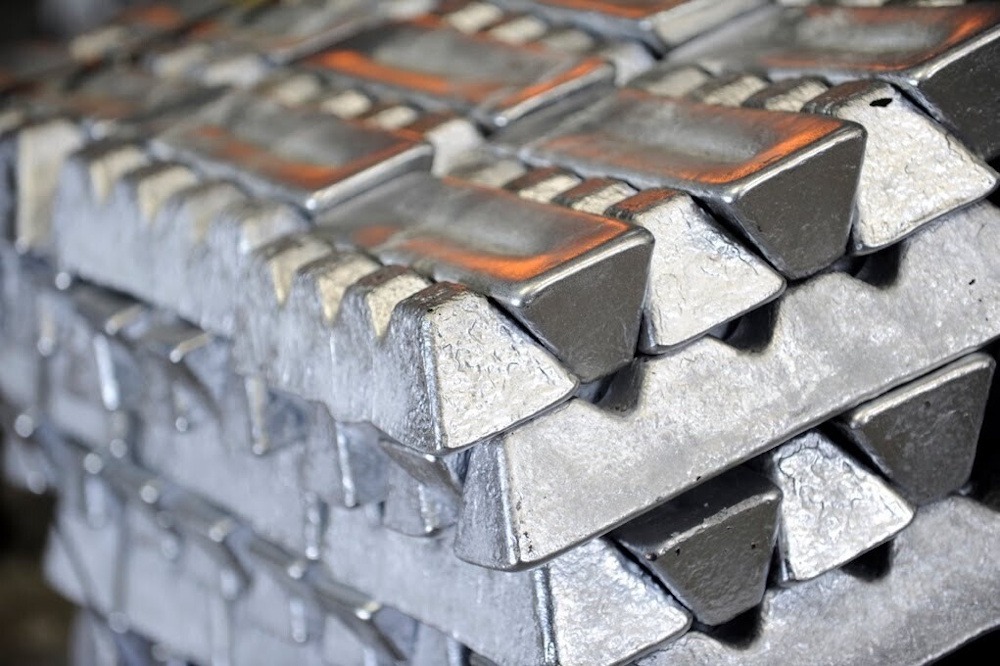
Aluminium prices experienced a modest increase in the last session, closing 0.39% higher at Rs 337.25, bolstered by supply concerns originating from the Middle East that underpinned market sentiment. Deliveries experienced interruptions following the suspension of shipments by significant smelters in Qatar and Bahrain, leading buyers in the United States to seek alternative cargoes from Asia. Nonetheless, remarks from Donald Trump indicating that tensions related to Iran might soon diminish contributed to alleviating concerns regarding extended supply interruptions.
The constricted supply scenario is evident in the London Metal Exchange aluminium spread, which has transitioned into its most pronounced backwardation since 2022. This suggests an increased appetite for immediate deliveries. Major producers Qatalum and Aluminium Bahrain have declared force majeure on shipments, which raises concerns regarding global availability.
Consequently, Bank of America has revised its forecast for the global aluminium deficit, projecting it to expand to 1.5 million tonnes by 2026, an increase from the previous estimate of 1 million tonnes. Leading financial institutions continue to express optimism regarding the metal. Citigroup has adjusted its price target to $3,600 per tonne, whereas Morgan Stanley anticipates prices could ascend to $3,700 per tonne in an optimistic scenario, given the ongoing constraints in supply growth.
From a technical perspective, the market is experiencing short covering, as evidenced by a 6.47% decline in open interest to 3,468, while prices increased by Rs 1.3. Aluminium currently exhibits immediate support at Rs 329.1, with a breach below this level likely to test the Rs 320.8. On the upside, resistance is observed at Rs 342.8, and a movement beyond this threshold could propel prices toward Rs 348.2.