
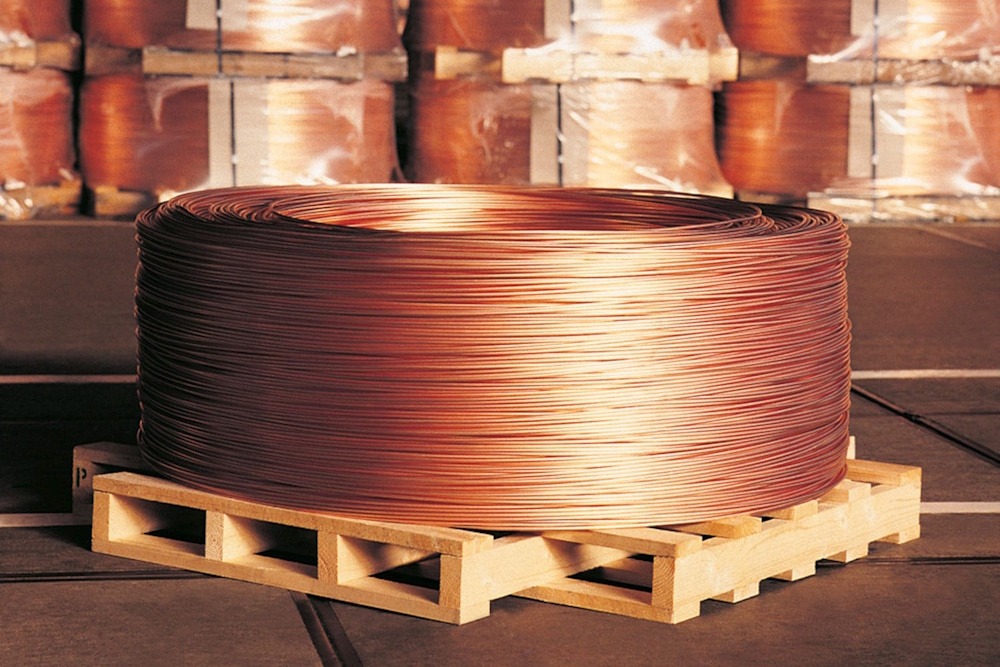
Copper prices declined by 0.51%, closing at Rs 1,181.35, influenced by a robust U.S. dollar and ongoing inflationary pressures that dampened market sentiment. Heightened oil prices have intensified inflationary pressures, diminishing the likelihood that the U.S. Federal Reserve will initiate interest rate cuts in the near term. Given the prevailing expectation that the Fed will maintain a tight policy stance in the near term, metals markets are experiencing some short-term pressure.
Notwithstanding the recent decline, the overall perspective for copper continues to be positive. Citi analysts observed that although the long-term outlook continues to be optimistic, short-term demand may benefit from post-Lunar New Year restocking in China, especially within the power grid sector. China’s consumer inflation has risen to its highest level in over three years, influenced in part by seasonal holiday demand. Prices
However, the market encountered pressure from elevated inventories on the London Metal Exchange, although stronger-than-expected private factory data from China contributed to mitigating the downside. Leading financial institutions express a positive outlook regarding the long-term potential of copper. Goldman Sachs anticipates prices will hit $12,200 per ton by the conclusion of 2026, whereas UBS predicts that copper may ascend to $15,000 per ton in the next 13 months, bolstered by increasing global consumption and an expanding supply deficit.
From a technical standpoint, the market is experiencing long liquidation, as evidenced by a 3.61% decrease in open interest to 14,554 lots, alongside a price decline of Rs 6.05. Immediate support is identified at Rs 1,172.9, with a breach of this threshold likely to challenge Rs 1,164.3. On the upside, resistance appears to be positioned around Rs 1,187.2, and a breach of this threshold could propel prices toward Rs 1,192.9.