
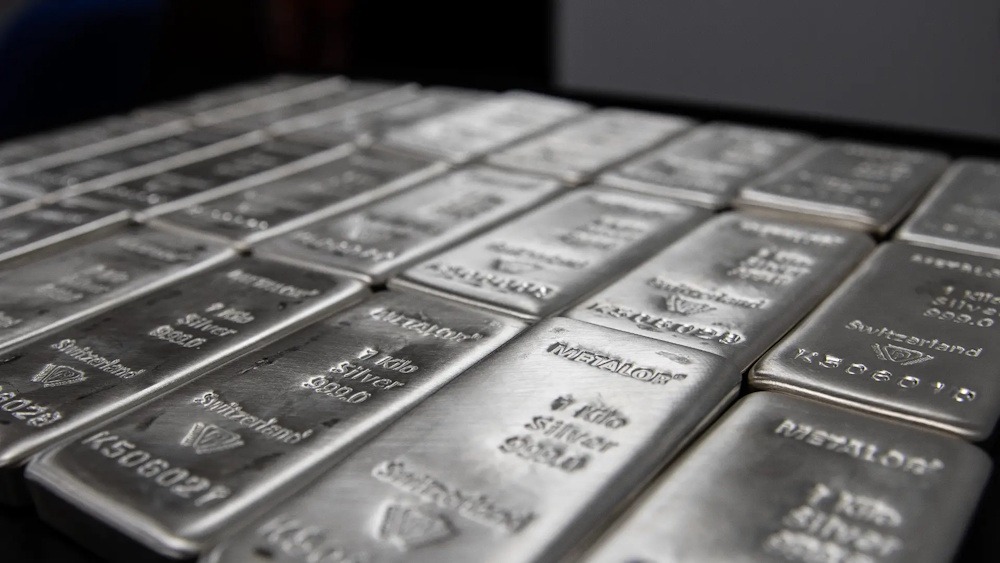
Silver’s price has seen a significant boost, climbing by more than three percent to reach a level that is higher than $69 per ounce. In the coming year, market players are forecasting that the Federal Reserve will reduce interest rates by two additional percentage points throughout that time period. There has been an increase in the anticipation of a possible loosening of monetary policy as a result of recent developments in the United States’ inflation and labor data.
Silver’s attractiveness as a safe investment option is heightened by the geopolitical conflicts that are now taking place. Resilient fundamentals are supported by robust demand from the industrial sector. The price of silver increased by more than three percent, reaching a new high of more than sixty-nine dollars per ounce. This increase was driven by expectations of further monetary easing in the United States as well as the escalation of geopolitical tensions.
Recent data indicating a decrease in inflation and a deteriorating job market have boosted hopes that the Federal Reserve will likely drop interest rates twice in the coming year, so improving the prospects for non-yielding assets. This is because the labor market has been softening. The demand for safe-haven assets has been fuelled concurrently by the escalation of geopolitical tensions, such as the application of more stringent sanctions by the United States on Venezuela and the attack, carried out by Ukraine, on an oil tanker that was linked with Russia.
Silver is enjoying considerable benefits due to increasing industrial demand, particularly from industries such as solar energy, electric vehicles, and data centers. These advantages are in addition to the overarching economic considerations that are contributing to the silver market. The metal has had a phenomenal price growth of almost 140% in 2025, which places it in a position to have one of the most robust annual performances. A robust foundation of structural demand is supported by this spike, which is suggestive of both cyclical momentum and structural demand.