
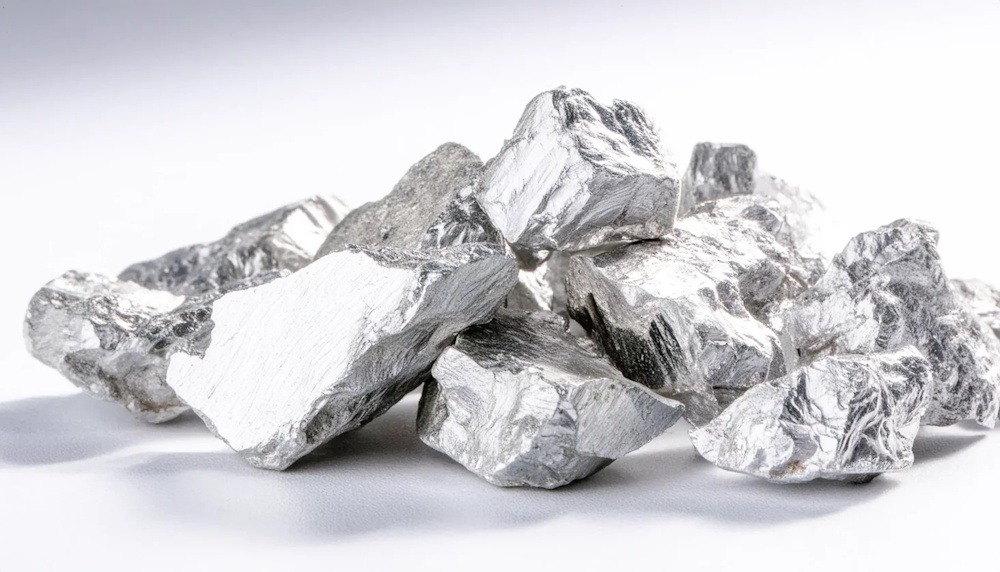
Zinc prices experienced a notable increase, closing higher by 2.58% at Rs 324.4, driven by escalating worries regarding constrained near-term supply. Refined zinc production is projected to have decreased by approximately 2% last year, even with a 6.3% increase in mined output. This discrepancy highlights ongoing production restrictions among smelters, especially in Kazakhstan and Japan, where the shutdown of the Toho Zinc Annaka plant has limited capacity. The enhancement of smelter economics was evident in treatment charges, which recovered to approximately $100 per tonne after experiencing a decline to negative $115 late last year.
Consequently, LME zinc stocks have decreased to approximately 110,000 tonnes, which is nearly half of the 230,500 tonnes recorded at the beginning of last year, while inventories on the Shanghai Futures Exchange fell by 4.1% week-on-week. Additional backing was provided by anticipations of reduced concentrate availability, as numerous Chinese mines commenced regular maintenance activities. A mine in southwest China is poised to decrease its output by approximately 700 tonnes of metal content, while a mine in central China is expected to reduce its operating days as well.
Nonetheless, the potential for growth was constrained by ongoing demand apprehensions associated with inconsistent Chinese macroeconomic indicators, even as December’s industrial output and fourth-quarter GDP marginally exceeded forecasts. According to data, the global zinc market deficit expanded to 7,700 tonnes in November, despite the refined market maintaining a surplus throughout the first 11 months of 2025.
From a technical perspective, the market is experiencing new buying activity, as evidenced by a 10.25% increase in open interest to 4,357, alongside a price increase of Rs 8.15. Zinc exhibits support at Rs 319.5, with a breach potentially leading to Rs 314.6, while resistance is identified at Rs 327.1; a movement beyond this level may challenge Rs 329.8.