
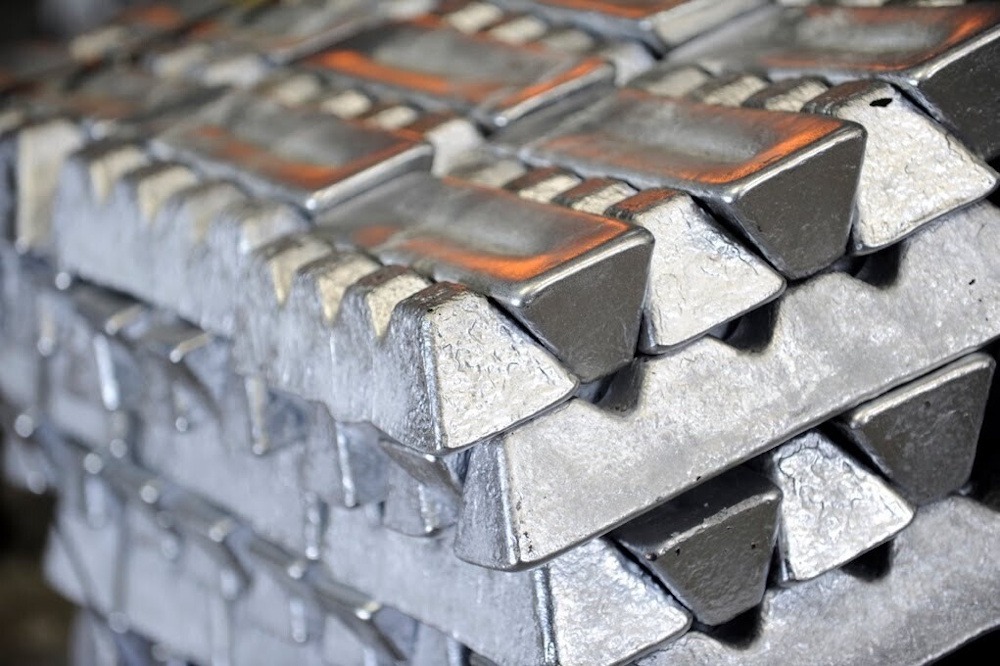
Aluminium experienced a decline of 1.27%, closing at Rs 303.8, following reports suggesting that U.S. President Donald Trump might reduce specific tariffs on steel and aluminium products. The news impacted sentiment, although losses were mitigated by supply-side concerns. South32 has announced that its Mozal smelter in Mozambique will enter a phase of care and maintenance, attributed to power shortages stemming from drought conditions and ongoing pricing disputes with Eskom.
At its core, the market continues to be underpinned by a relatively constrained global supply alongside consistent demand. In China, smelters are functioning near the government’s capacity limit, whereas elevated U.S. tariffs have restricted imports and increased domestic premiums. Last week, inventories on the Shanghai exchange increased by 21.3%, while global stock levels continue to be relatively low.
In light of this context, Goldman Sachs has adjusted its price forecast for the first half to $3,150 per tonne. China’s refined aluminium output reached a historic high of 3.87 million tonnes in December, with total production for the year surpassing 45 million tonnes, as reported. Data indicated that global output experienced a year-on-year increase of 0.5% in December.
From a technical perspective, the market is experiencing long liquidation, evidenced by a 13.82% decline in open interest. Support is identified at Rs 302.1 and Rs 300.2, whereas resistance is positioned at Rs 306.8, with an upward movement beyond that threshold aiming for Rs 309.6.