
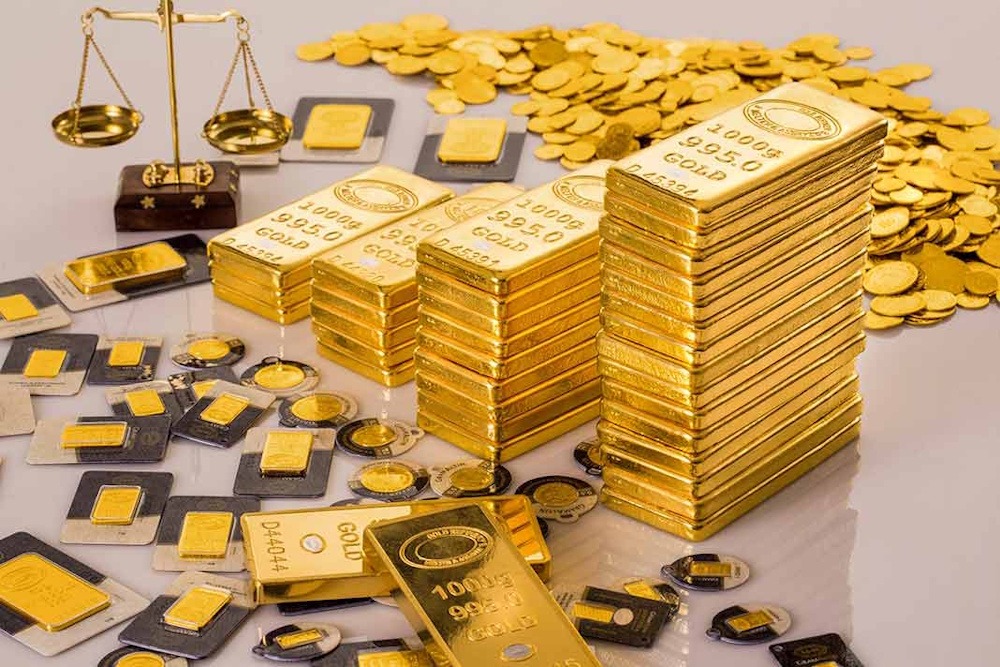
Gold exhibited a robust performance, increasing approximately 3.01% to Rs 161,598, as renewed trade tensions spurred safe-haven demand. The context of U.S. policy changes, highlighted by President Trump’s decision to increase global tariffs from 10% to 15% after the Supreme Court dismissed previous “reciprocal tariffs,” has created turbulence in markets, enhancing the attractiveness of bullion in a climate of heightened risk aversion.
Ongoing ambiguity surrounding trade negotiations between the U.S. and both the EU and India has exacerbated this situation, Lingering fears regarding a potential U.S. military strike on Iran have contributed to an increased geopolitical risk premium in gold prices. Gold has ascended to multi-week peaks, as global spot and futures markets indicate a resurgence in demand for defensive assets. In terms of supply and demand dynamics, Swiss gold exports experienced an 8% decline in January.
This decline was characterised by a slowdown in shipments to the UK, while deliveries to China and India saw a significant increase, underscoring the changing patterns of trade in anticipation of the Lunar New Year. In the context of muted consumer demand in India, domestic traders have increased gold discounts, while gold ETFs experienced significant inflows in January, although these inflows have subsequently tapered off. China’s gold production and ETF holdings increased, yet overall consumption declined, indicating a divergence in underlying fundamentals.
From a technical perspective, the presence of new buying activity alongside increasing open interest provides support for the market. Immediate support is positioned at Rs 159,230, with a breach below likely to challenge Rs 156,865; resistance currently stands around Rs 162,845, and a sustained breakout above this level could aim for Rs 164,095.