
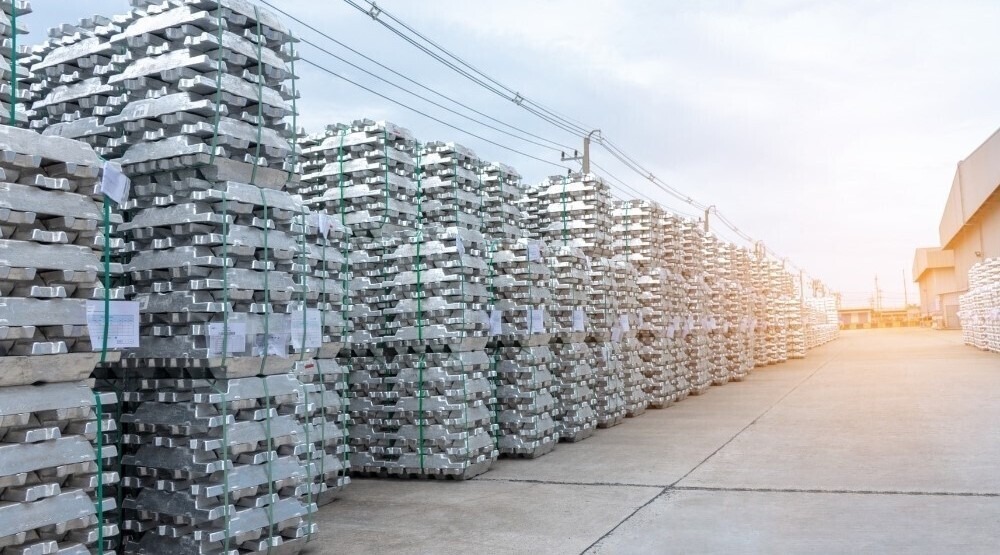
Aluminium increased by 1.07% to close at Rs 313.15, buoyed by enhanced sentiment following the U.S. Supreme Court’s decision to overturn President Trump’s reciprocal tariffs, which has fostered optimism for a more lenient trade approach. Investors continue to assess the overarching trajectory of U.S. tariff policy, as trading activity in China has increased subsequent to the holiday break. At a fundamental level, supply trends exhibit a mixed outlook. According to data from the International Aluminium Institute, global primary aluminium production reached 6.317 million tons in January, reflecting a modest increase over December figures and a year-on-year rise.
The World Bureau of Metal Statistics indicated a surplus of 57,000 tons in December. In December, China’s production reached a remarkable 3.87 million tons, culminating in a full-year output that surpassed 45 million tons, thereby approaching the government’s established capacity limit. Output growth is anticipated to stagnate this year; however, increasing inventories on the Shanghai Futures Exchange and at Japanese ports suggest a favorable near-term supply situation.
In the corporate landscape, Century Aluminium is poised to recommence operations at its Iceland smelter ahead of schedule, whereas South32’s Mozal facility in Mozambique is slated to transition into care and maintenance, thereby constraining supply in other regions. Goldman Sachs has adjusted its price outlook for the first half, attributing this revision to diminished global inventories and robust demand growth.
From a technical perspective, the market indicates new buying activity, as evidenced by a 9.86% increase in open interest, reaching 4,402. Support levels are identified at Rs 310.9 and Rs 308.5, whereas resistance is positioned at Rs 314.6. A breach above this level may pave the way for a move towards Rs 315.9.