
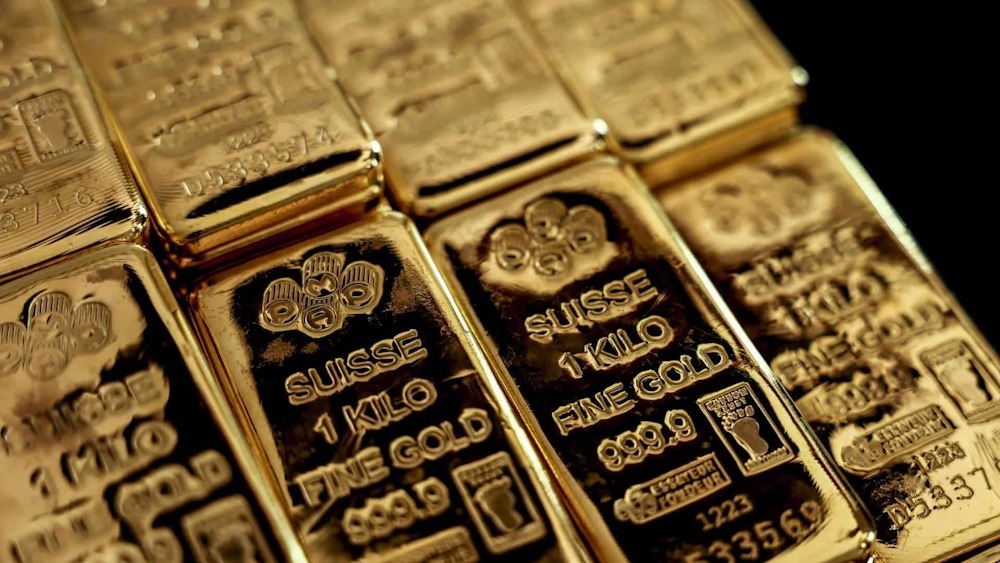
Gold prices declined in the previous session, settling 0.83% lower at Rs 160,299, as escalating geopolitical tensions involving Iran pushed the U.S. Dollar Index higher and reduced expectations of near-term interest rate cuts. Comments from Beth Hammack, President of the Federal Reserve Bank of Cleveland, influenced sentiment as she indicated that inflation persists at elevated levels, rendering immediate policy easing unjustifiable.
Consequently, it seems that policymakers at the Federal Reserve are poised to maintain current borrowing costs for the time being, despite market expectations of potential rate reductions later in the year. In the interim, the demand from central banks continues to serve as a supportive element for the precious metal. The People’s Bank of China has continued its gold acquisition for 16 consecutive months, increasing its reserves to 74.22 million troy ounces by the conclusion of February.
In the physical market, demand in India has diminished as a result of fluctuating prices, whereas buying interest in China has persisted robustly, with premiums stabilizing in the range of $13–$15 per ounce. Central bank activity persists in shaping market dynamics, with acquisitions noted from entities like the Central Bank of Uzbekistan and Bank Negara Malaysia, despite a modest deceleration in overall global purchasing at the year’s outset.
From a technical perspective, the market is experiencing new selling pressure, as evidenced by a 0.38% increase in open interest to 7,411, alongside a decline in prices of Rs 1,335. Gold currently finds itself with immediate support at Rs 159,330, and a breach of this threshold may lead to a test of Rs 158,360. On the upside, resistance is observed at Rs 161,390, with a movement above this level potentially driving prices toward Rs 162,480.