
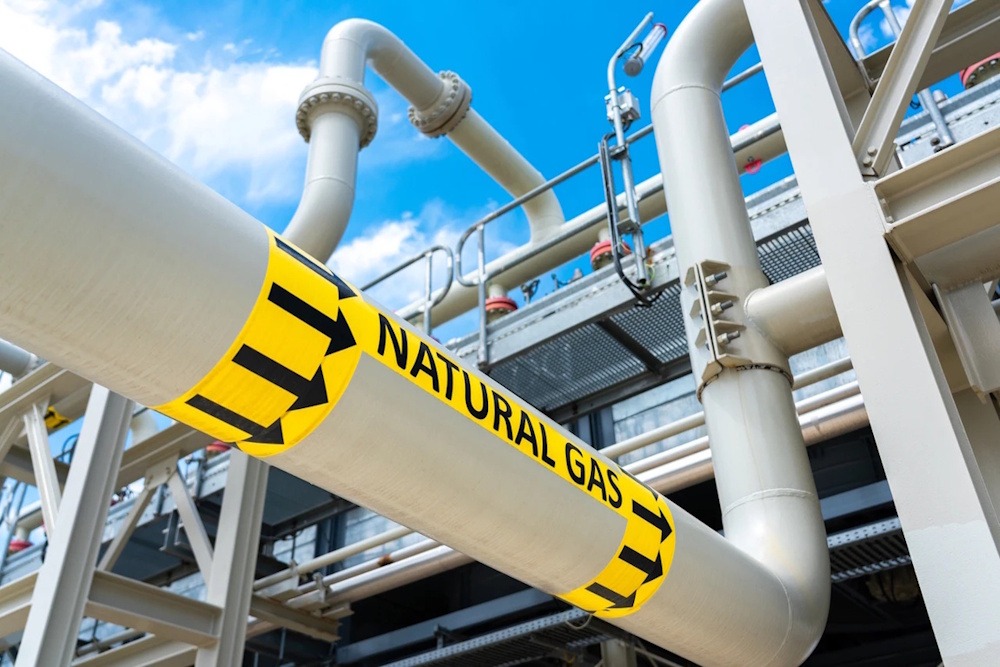
Natural gas prices experienced a modest increase, closing 0.47% higher at Rs 297.6, bolstered by ascending global energy prices and persistent geopolitical tensions in the Middle East. The ongoing conflict involving Iran, GCC countries, Israel, and U.S. forces has heightened apprehensions regarding potential supply disruptions. Qatar has notably ceased all LNG operations, effectively withdrawing nearly 20% of global LNG supply from the market at present. Additionally, exports from the UAE have faced disruptions as tankers navigate around the Strait of Hormuz.
In examining the overarching supply landscape, the U.S. Energy Information Administration anticipates a continued expansion of natural gas production in the forthcoming years. Output is anticipated to increase from a historic 107.7 billion cubic feet per day in 2025 to 109.5 billion cubic feet per day in 2026, and subsequently to 112.3 billion cubic feet per day in 2027. Nonetheless, domestic demand is projected to decrease marginally to 91.4 bcfd in 2026, followed by a rebound in 2027.
In the interim, projections indicate that LNG exports will experience consistent growth, anticipated to reach 16.7 bcfd by 2026 and 18.1 bcfd by 2027. In terms of storage, U.S. energy companies indicated a withdrawal from inventories that was less than anticipated in the first week of March, suggesting that the winter withdrawal season could be approaching its conclusion. Storage levels are currently 8.3% above the previous year, yet they fall 0.9% short of the five-year average.
From a technical perspective, the market is experiencing short covering, as evidenced by a 6.6% decline in open interest to 19,567 lots, accompanied by a price increase of Rs 1.4. Immediate support is identified at Rs 290.8, and a breach of this threshold may lead to a decline in prices toward Rs 284.1. On the upside, resistance is likely near Rs 305, and a sustained move above this level may pave the way toward Rs 312.5.