
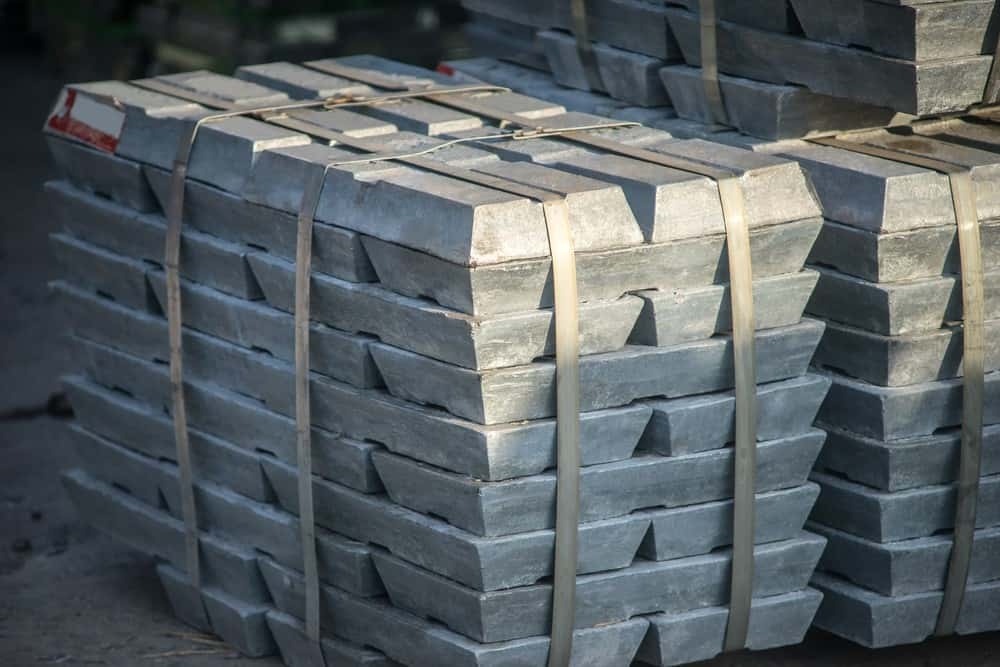
Zinc increased by 0.39% to close at Rs 324.45, buoyed by a resurgence in industrial activity in China and indications of temporary supply constraints. China’s manufacturing PMI increased to 50.4 in March, indicating a return to expansion and enhancing demand sentiment for base metals. Simultaneously, inventories at the Shanghai Futures Exchange experienced a 1% decrease over the past week, as persistent mine closures and operational disruptions have maintained a relatively constrained supply environment.
Nevertheless, gains were constrained as the ambiguity surrounding the Middle East conflict exerted pressure on the overall demand forecast. Recent statements from U.S. President Donald Trump regarding possible military action against Iran have maintained a cautious atmosphere in the markets, as apprehensions grow that extended hostilities may affect global economic expansion.
On the supply side, the recommencement of Boliden’s Tara mine and the gradual increase in production at Ivanhoe Mines’ Kipushi project are anticipated to contribute to output, maintaining a slight surplus in the global zinc market. Data indicated that Peru’s zinc production increased by 14.7% year-on-year in January, coinciding with a global market transition to a surplus of 9,200 metric tons.
From a technical perspective, the market is experiencing short covering, as evidenced by a 0.61% decline in open interest. Zinc exhibits immediate support at Rs 321.9, with potential further decline toward Rs 319.3. On the upside, resistance is observed at Rs 326.3, and a movement above this threshold could propel prices toward Rs 328.1.