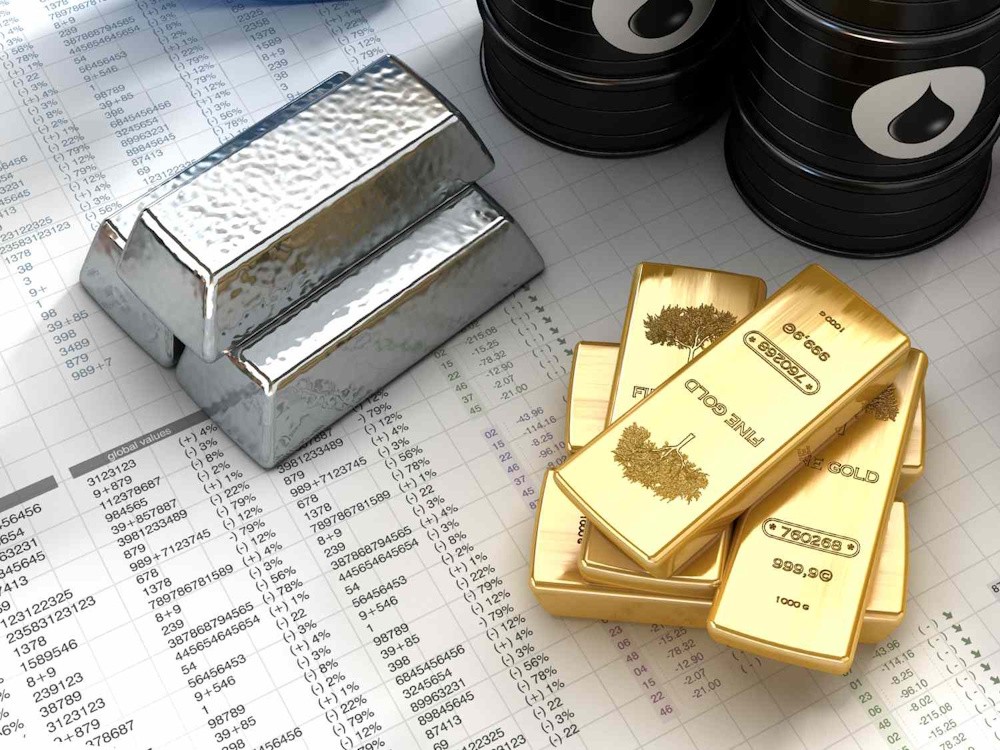
Gold and silver have experienced one of their most tumultuous beginnings to a year in recent history. Gold experienced a significant increase in January, reaching unprecedented levels of Rs 1.75 lakh per 10 grams, followed by a notable decline. Silver, a notable performer of 2025, surged 71% in the initial two months of 2026, reaching a new high of Rs 4.20 lakh per kg; however, it has since experienced a decline of over 50% from that peak. The sharp reversal arises amid heightened tensions surrounding the Iran conflict, which are driving oil prices upward. This development intensifies concerns regarding inflation and elevates expectations that the US Federal Reserve may raise interest rates later this year. At its latest meeting, the Fed implemented a rate increase for the first time in three years. The timing is noteworthy for Indian markets, as Dhanteras is on the horizon, succeeded by the festive and wedding seasons, during which gold purchases generally accelerate. Gold holds particular importance during Dhanteras and Diwali, as numerous Indian households regard the acquisition of the yellow metal on these occasions as auspicious.
For consumers planning festive purchases and investors considering gold exchange-traded funds, the correction raises two key questions: whether lower prices present an opportunity to buy and the appropriate level of exposure to precious metals in a portfolio. Gold has faced downward pressure due to a robust US dollar, rising Treasury yields, and changing anticipations regarding US monetary policy. Higher yields enhance the appeal of interest-bearing assets in comparison to gold, which lacks the capacity to produce consistent income. US consumer inflation increased to 3.7% in September, up from 3.4% in August, as reported by the Bureau of Labour Statistics on October 14. Petrol prices surged by 9.1% over the month, representing more than half of the total increase. Elevated interest rates exert pressure on both metals, as neither provides an income from interest. As returns on secure US government bonds increase, the opportunity cost associated with holding bullion escalates. A stronger dollar intensifies the pressure by increasing the cost of dollar-denominated metals for buyers utilising alternative currencies.
Profit booking has also played a role in the correction. Gold’s remarkable rally earlier this year, following a 66% surge throughout 2025, left prices at record levels. As volatility increased, investors sought to secure their profits. “In that context, the ongoing decline appears more like a normalization of valuations rather than a structural collapse in the asset class,” Ponmudi R said. According to Ponmudi, Indian investors might consider the festive season as a strategic moment to accumulate gold incrementally instead of engaging in aggressive buying. Festive sentiment may bolster physical demand; however, domestic gold prices are influenced by international prices, the rupee, and domestic premiums. A weaker rupee can mitigate the effects of declining global prices, whereas an appreciating rupee may constrain the rebound in domestic prices. “Investors should avoid deploying their entire allocation at one price. A staggered buying approach is more sensible, particularly after such a volatile correction. Jewellery purchases should be based on personal requirements, while investment decisions should consider price, liquidity and the overall portfolio allocation,” he said.
Nirprendra Yadav echoed this view, advising investors against attempting to pinpoint the precise market bottom or allocating their entire investment in a single transaction. For individuals aiming to maintain a long-term position in gold, implementing staggered purchases may effectively mitigate volatility and lessen the likelihood of unfavourable entry points. Consumers purchasing jewellery for Dhanteras or weddings may take advantage of the recent correction to fulfilll their needs. Financial investors should evaluate their current exposure, investment timeline, and risk appetite prior to increasing their positions. In the short run, precious metals are likely to remain confined within a narrow range. The dominance of firm US bond yields, sticky global inflation, and aggressive global central bank liquidity management limits upside momentum, according to Pinky Yadav. With approximately 7-8 weeks remaining in the year, seasonal trends may offer some assistance. Historically, November and December have presented favourable conditions for gold, whereas December has frequently emerged as a particularly robust month for silver. However, market liquidity typically diminishes following Christmas.
Experts anticipate that gold will maintain a degree of resilience, bolstered by demand from central banks and ongoing geopolitical uncertainty. Silver, meanwhile, may experience a more pronounced recovery driven by strong industrial demand from the solar sector, although its price fluctuations are expected to be considerably more volatile. “Overall, my outlook remains cautiously constructive on both metals. The Fed meeting, US midterm elections and upcoming NFP data will be key near-term catalysts. For investors, phased accumulation is a prudent approach, while speculative traders should wait for clear trend confirmation before taking aggressive positions,” Vandana Bharti said. HSBC holds the view that silver prices are nearing levels that are fundamentally justified and maintains a mildly positive outlook on the metal. Industrial and jewellery demand is anticipated to decline further; however, institutional purchases, especially from China and India, are expected to bolster demand for large bars. Demand for coins and small bars may experience a recovery, albeit at a measured pace, as elevated prices persist in exerting pressure on buyers. Silver ETFs, having experienced outflows earlier this year, are in the process of rebuilding their holdings.
However, HSBC’s outlook also highlights potential risks. A firm US dollar, as forecast by HSBC FX Research, and elevated bond yields may constrain price increases. If the anticipated interest rate hikes do not come to fruition, silver may experience an upward movement. Fiscal profligacy and geopolitical risks are anticipated to offer a degree of support. On the supply side, silver production is anticipated to rise, even in the face of difficulties associated with increasing mine output at higher price levels. Most mined silver is produced as a by-product of gold and base metals, which constrains the industry’s capacity to react swiftly to rising prices. Lower ore grades and mine closures this year are anticipated to be largely counterbalanced by new projects and capacity expansions. However, HSBC indicated that mine output is expected to increase substantially in 2027.
In the short run, gold is expected to exhibit volatility, with the potential for further consolidation or additional declines if US bond yields and the dollar maintain their strength. The Federal Reserve’s meeting on October 27-28, along with its guidance on future interest rates, inflation data, crude oil prices, and geopolitical developments, will serve as significant triggers. A sustained moderation in bond yields and a revival in investment demand could support a recovery. Conversely, enduring inflation and anticipations of stricter monetary policy may hinder a recovery. For the remainder of 2026, precious metals are expected to exhibit significant sensitivity to interest-rate expectations, fluctuations in the dollar, and shifts in global risk sentiment. Gold is anticipated to maintain its strategic allure as a long-term portfolio diversifier, although a prolonged recovery may require time to materialise. Silver presents a more substantial recovery potential due to its industrial demand and supply dynamics; however, its elevated volatility renders it a riskier investment option.