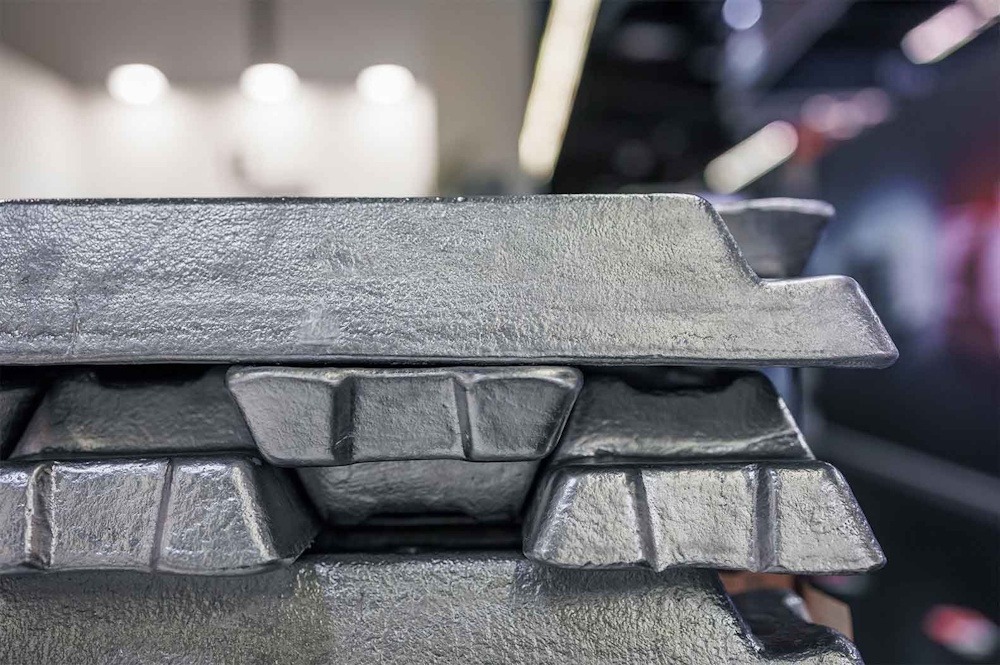
Aluminium prices fell by 3.5% to close at Rs. 312.90, influenced by intense speculative selling, a robust US dollar, and increasing anticipations of additional interest rate increases by the Federal Reserve in light of ongoing inflationary pressures. However, the downside remained constrained by tight physical availability, as evidenced by the LME cash-to-three-month spread widening to $278 per tonne, marking its highest level since 1988. LME warehouse inventories were recorded at 226,350 tonnes, reflecting a decline of nearly 56% since January. Meanwhile, inventories monitored by the Shanghai Futures Exchange decreased by 3% compared to the previous Friday.
Global aluminium inventories have decreased to approximately 44 days of consumption, indicating relatively constrained near-term supply conditions. In October, China’s primary aluminium production rose by 1.8% compared to the previous year, reaching 3.85 million tonnes. For the period from January to October, total production amounted to 38.85 million tonnes, reflecting a year-on-year increase of 3.5%. Annualised output is currently at around 46.6 million tonnes, suggesting that China is poised to achieve record annual production levels. In September, global primary aluminium production experienced a decrease, falling to 6.014 million tonnes from 6.10 million tonnes in the same month of the previous year, as reported by the International Aluminium Institute.
China’s aluminium and aluminium product exports rose by 18% to 5.9 million tonnes in the period from January to October, underscoring a sustained availability for export. Supply recovery expectations influenced sentiment as Emirates Global Aluminium announced that 61% of reduction cells at its Al Taweelah smelter had resumed operations, with refinery utilisation nearing 70%. However, uncertainty surrounding the pace of Middle Eastern smelter restarts and elevated operating costs could limit further supply expansion.
The broader outlook remains mixed, with tight inventories supporting near-term prices, while improving production and expectations of a potential global surplus in 2027 could limit recovery. Technically, the market is experiencing a long unwinding phase, as evidenced by a significant decline in open interest of 38.85%, bringing it down to 1,760 contracts, coupled with a decrease in prices by Rs. 11.35. Aluminium is encountering support at Rs. 304.50; a decline below this level may lead prices to test Rs. 296.50. Conversely, resistance is established at Rs. 322. A sustained move above this level could push prices toward Rs. 331.50.