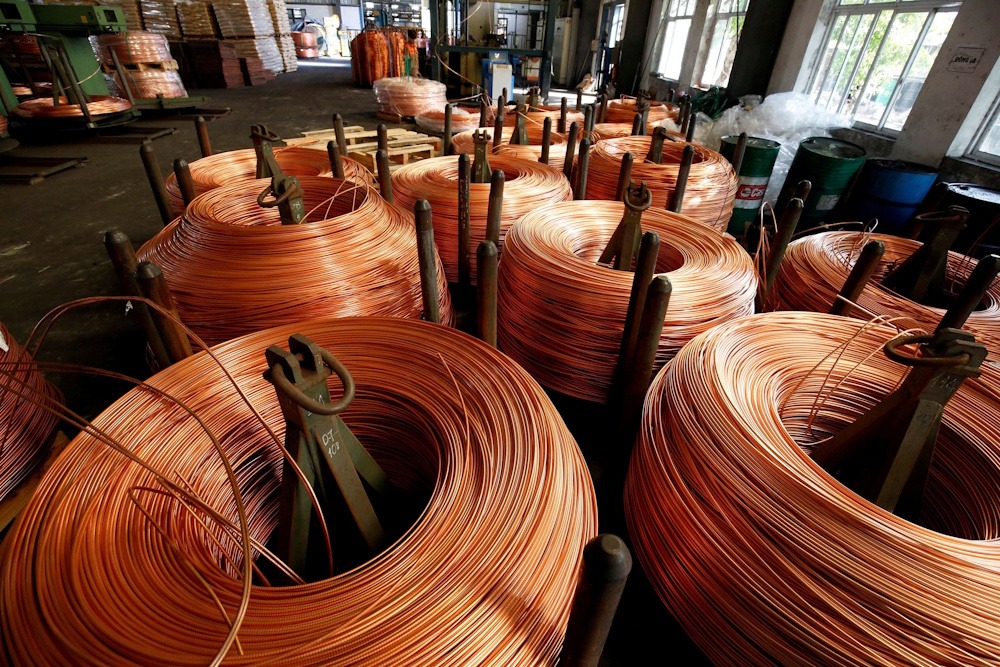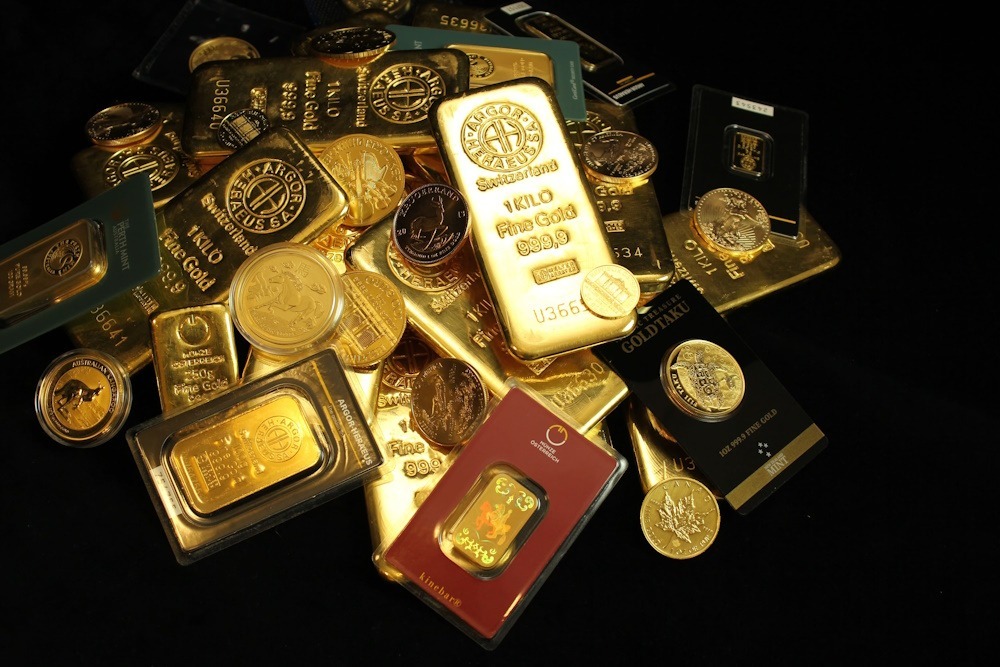
Gold and silver prices commenced the trading session on the Multi Commodity Exchange with notable gains on Monday, reflecting oversold market conditions. Investors are strategically positioning themselves in anticipation of a significant US inflation report, which may offer new insights regarding the Federal Reserve’s forthcoming policy decisions. In the domestic market, MCX silver futures for December 2026 delivery increased by Rs 3,600 (2.5%) to Rs 1,51,390 per kg. Gold futures for December 2026 delivery increased by Rs 2,800 (2.3%) to Rs 1,24,550 per 10 grams. Gold has ended a 5-day decline, while the white metal has increased following a 4-day decrease. The outlook for US monetary policy continues to be a significant determinant for bullion. Federal Reserve Governor Lisa Cook articulated on Friday her support for additional interest rate increases, asserting that the central bank’s prevailing policy rate was inadequate to tackle inflation levels that she regarded with “great concern”.
Meanwhile, European Central Bank Governing Council member Alvaro Santos Pereira indicated that inflationary pressures linked to energy continue to be substantial, especially as a result of increasing natural gas prices. However, it remained uncertain whether these pressures had permeated the wider euro zone economy. Markets are currently reflecting a 93% probability of an interest rate hike at the Federal Reserve’s December policy meeting, as indicated by CME’s FedWatch tool. Higher interest rates generally increase the opportunity cost associated with holding non-yielding assets like gold, thereby diminishing the appeal of bullion to investors. Investors are currently anticipating the release of the US Personal Consumption Expenditures data scheduled for Wednesday. The inflation gauge is closely monitored by the Federal Reserve as it aims to achieve its 2% inflation target. Higher interest rates elevate the opportunity cost associated with holding non-yielding gold, thereby diminishing the allure of the precious metal for investors.
On the geopolitical front, recent assaults on Saudi Arabia and reports of tanker disruptions in the Strait of Hormuz have reignited apprehensions regarding Middle Eastern supplies. The Iran-aligned Houthi movement launched missiles at Riyadh, representing the most recent escalation in the kingdom’s conflict with the group and rekindling apprehensions regarding the security of regional oil supplies. Spot gold increased by 1.2% to $3,576.10 per ounce as of 0048, marking a recovery from the previous Friday’s decline, during which prices reached their lowest point since September 2025. Bullion experienced a decline of approximately 9% last week, representing its most significant weekly drop since March. Among other precious metals, spot silver gained 2.3% to $42.11 per ounce, platinum advanced 1.4% to $1,316.97, and palladium climbed 1.3% to $904.15. Manoj Kumar Jain noted that gold and silver are currently in a state of deep overselling, and any favourable indications from the US Federal Reserve could catalyse a significant rebound in prices. He anticipates that both metals will experience volatility this week, influenced by variations in crude oil prices and the dollar index, as well as apprehensions regarding possible Federal Reserve rate increases.
For the current session, gold exhibits support in the range of $3,440 to $3,400 and faces resistance between $3,574 and $3,610 per troy ounce. Silver exhibits support within the range of $40 to $38 and faces resistance between $42.40 and $43.80 per troy ounce. On the MCX, gold exhibits support levels between Rs 1,20,200 and Rs 1,18,400, while resistance is observed in the range of Rs 1,23,000 to Rs 1,24,400. Silver exhibits support within the range of Rs 1,44,400 to Rs 1,41,000, whereas resistance is established between Rs 1,50,500 and Rs 1,54,000. Jain indicated that long-term investors might consider the current correction as an opportunity to accumulate gold and silver via systematic investment plans. However, he advised traders to exercise caution regarding the initiation of new long positions until there are indications of market stability.