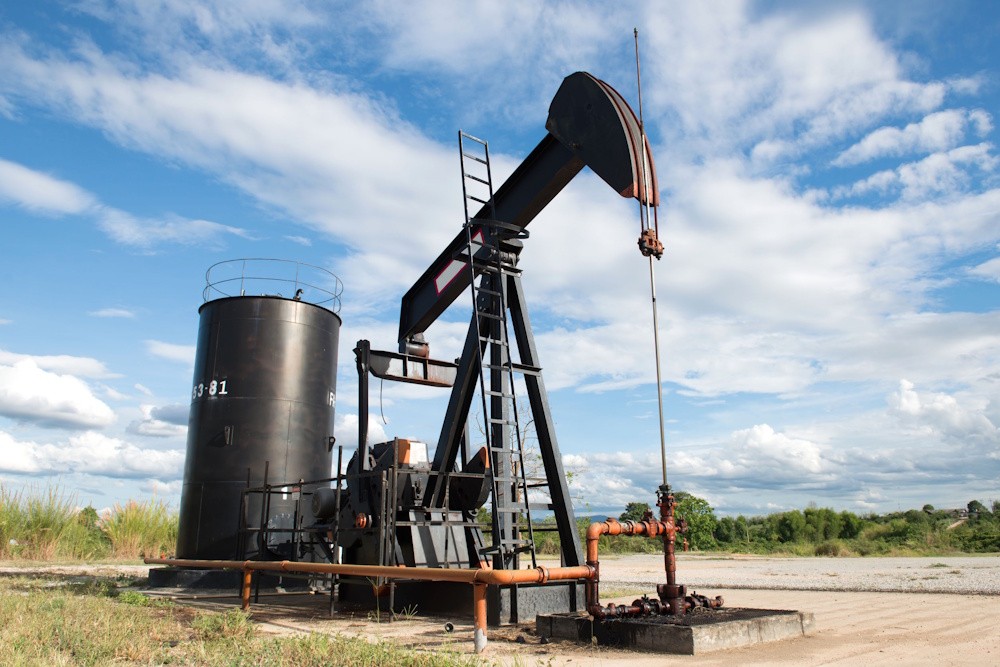
Crude oil settled marginally higher by 0.25% at Rs 7,984, as uncertainty surrounding US-Iran diplomatic talks continued to bolster prices. However, the shift in US policy toward economic pressure, rather than military action, has led to a reduction in the geopolitical risk premium. Negotiations between the US and Iran exhibit no immediate prospects for renewal, as the Trump administration has allegedly informed mediators of its decision not to reinstate the preliminary agreement from June that subsequently fell apart. Iran and Oman have reached an agreement on a revenue-sharing framework concerning the Strait of Hormuz; however, Tehran has made it clear that this does not signify an immediate reopening.
Goldman Sachs estimated Persian Gulf oil exports at approximately 15–16 million barrels per day, which is considerably lower than the pre-conflict levels of 22–24 million barrels per day, yet significantly higher than the March low of 5–6 million barrels per day. The International Energy Agency anticipates a reduction in global oil supply by 4.3 million barrels per day, approximately 4%, for the current year. This projection is a downward revision from the earlier estimate of 3.7 million barrels per day, resulting in a total supply forecast of 102.02 million barrels per day, as disruptions in the Hormuz and Bab el-Mandeb regions persist.
In the United States, crude inventories saw a modest increase of 95,000 barrels, reaching a total of 428.9 million barrels for the week ending August 21. This figure fell short of expectations, which had anticipated a rise of 597,000 barrels. Additionally, stocks at Cushing experienced an increase of 1.2 million barrels. Petrol inventories decreased by 2.5 million barrels to 206.8 million barrels, whereas distillate stocks dropped by 2.2 million barrels to 103.4 million barrels, reflecting robust demand for refined products. Refinery utilisation increased to 97.4%, whereas net crude imports saw a decrease of 161,000 barrels per day.
Meanwhile, OPEC has revised its 2026 global oil demand growth forecast downward to 580,000 barrels per day, representing its fourth consecutive reduction. However, it has increased its growth outlook for 2027. Technically, the market continues to experience new buying activity, as evidenced by a 0.41% increase in open interest to 10,481, alongside a price increase of Rs 20. Crude oil exhibits support at Rs 7,894; a persistent breach beneath this threshold may lead to a decline in prices toward Rs 7,803. On the upside, resistance is positioned at Rs 8,044, and a decisive move above this threshold could propel prices toward Rs 8,103.