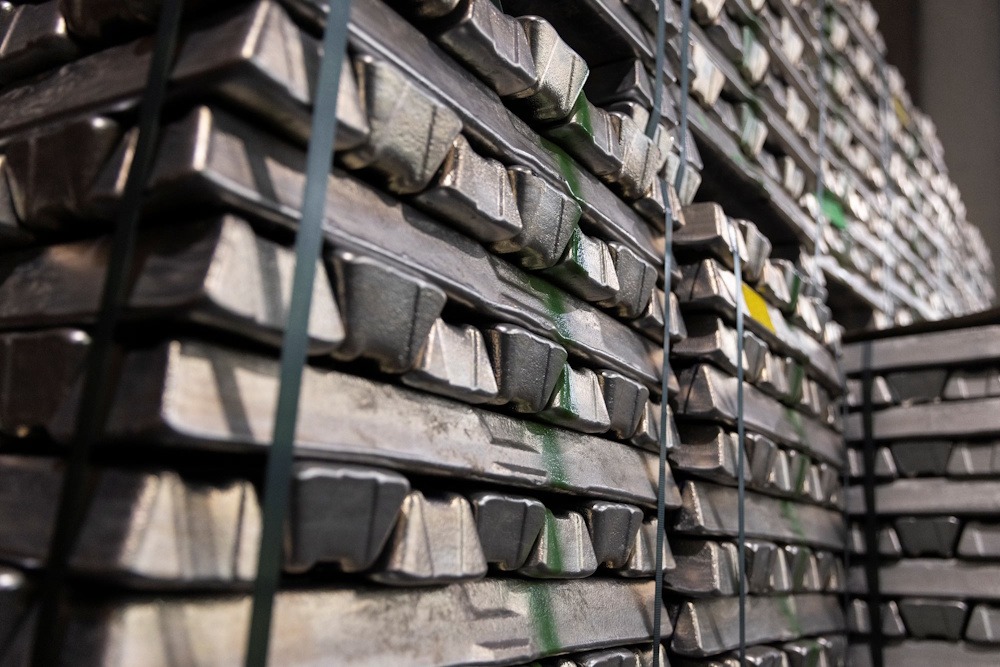
Aluminium concluded with a gain of 1.44% at Rs 303.70, bolstered by a reduction in near-term physical availability. The cash aluminium contract on the London Metal Exchange was observed trading at a premium of approximately $399 per tonne over the three-month forward contract, nearing its highest level since 1988. The exchange implemented a temporary tightening of lending rules to alleviate the physical supply squeeze, as global inventories continued to hover near multi-decade lows. Inventories monitored by the Shanghai Futures Exchange experienced a decline of 7.3% compared to the previous Friday.
Meanwhile, stocks at three major Japanese ports decreased by 9.2% month-on-month, reaching 202,700 tonnes at the end of October. Global aluminium inventories have decreased to approximately 44 days of consumption, indicative of robust demand coupled with constrained supply. Nonetheless, the long-term perspective continues to be prudent, as enhancing supply conditions may lead to an oversupply in the market. In October, China’s aluminium production saw a year-on-year increase of 1.8%, reaching 3.85 million tonnes. This brought the total output for the January-October period to 38.85 million tonnes.
Additionally, exports of aluminium and aluminium products experienced an 18% rise, totalling 5.9 million tonnes. In contrast, global primary aluminium production experienced a year-on-year decline of 1%, totalling 6.251 million tonnes in October. Supply recovery at Emirates Global Aluminium’s Al Taweelah smelter, where 61% of reduction cells have restarted and refinery utilisation reached approximately 70%, has contributed to expectations of enhanced availability. JPMorgan anticipates a decrease in aluminium prices, projecting a decline toward $2,500 per tonne by the conclusion of 2027.
This forecast is attributed to a supply surplus driven by Indonesia, alongside the potential downward pressure from a strengthening US dollar and the prospect of additional rate hikes by the Federal Reserve. Technically, the market is experiencing renewed buying activity, as evidenced by a 9.75% increase in open interest to 4,333, alongside a price rise of Rs 4.30. Aluminium is currently experiencing support at Rs 300; should prices fall below this threshold, they may test Rs 296. Conversely, resistance is identified at Rs 306, and a breakout above this level could propel prices toward Rs 308.50.