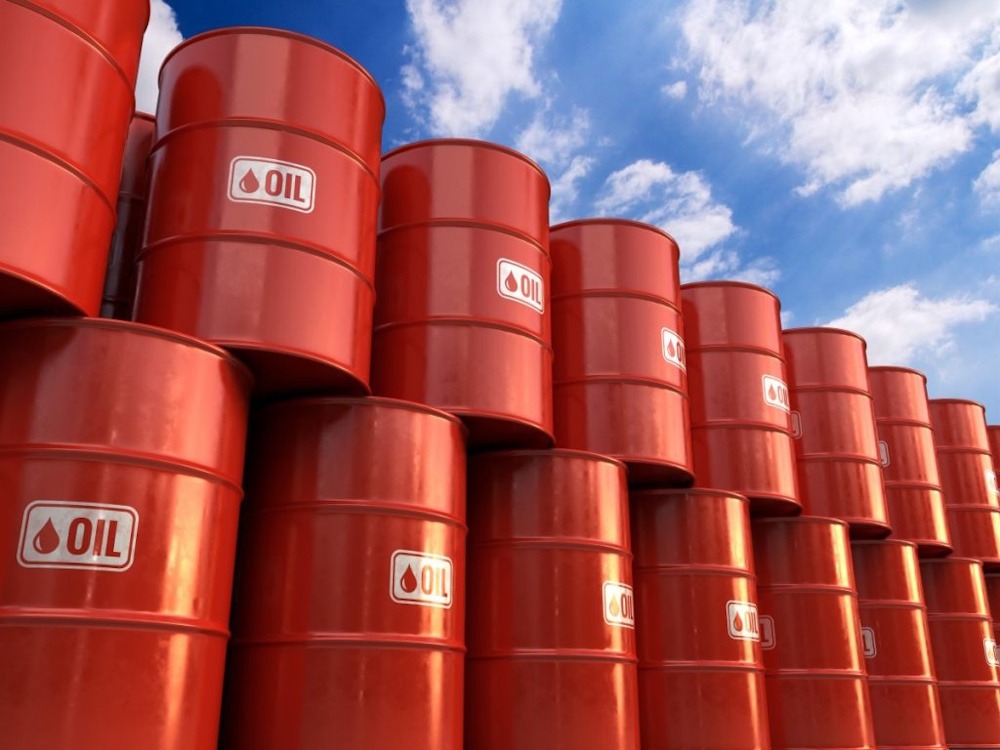
Crude oil increased by 1.46% to Rs 7,872, bolstered by a resurgence of geopolitical anxieties following assaults on Saudi oil infrastructure and reports of mine-related disturbances in the Strait of Hormuz, heightening concerns regarding possible supply interruptions. However, the broader outlook remains pessimistic as the International Energy Agency projects a global surplus of 1.7 million barrels per day in the fourth quarter, reversing its earlier deficit forecast. US crude inventories increased by 1.11 million barrels to 418.9 million barrels.
Concurrently, petrol and distillate stocks also saw an uptick, despite a strengthening in refinery processing activity and a decline in stocks at Cushing. Libya’s Sharara pipeline has reopened, contributing to potential supply availability, while Iraq’s efforts to increase production capacity estimates may heighten discussions within OPEC+. OPEC has adjusted its 2026 demand growth forecast, reducing it to 400,000 barrels per day from a previous estimate of 1.4 million. The organization expects a rebound in demand for 2027, driven by the realisation of deferred consumption. Goldman Sachs anticipates a surplus of approximately 2 million barrels per day in 2027, projecting an average Brent price of $88 before a decline to $78 by December.
In contrast, Bank of America forecasts Brent at $80 in 2027 and $70 in 2028. JPMorgan and Deutsche Bank project a decline in prices as surplus conditions materialise, although geopolitical risks may persist in bolstering near-term prices. Technically, the market is experiencing short covering, evidenced by a 4.3% decline in open interest to 8,058, while prices have increased by Rs 113. Crude oil is currently encountering support at Rs 7,750; a breach beneath this level may lead to prices testing Rs 7,625. Resistance is at Rs 7,965; a breakout above this level could propel prices toward Rs 8,055.