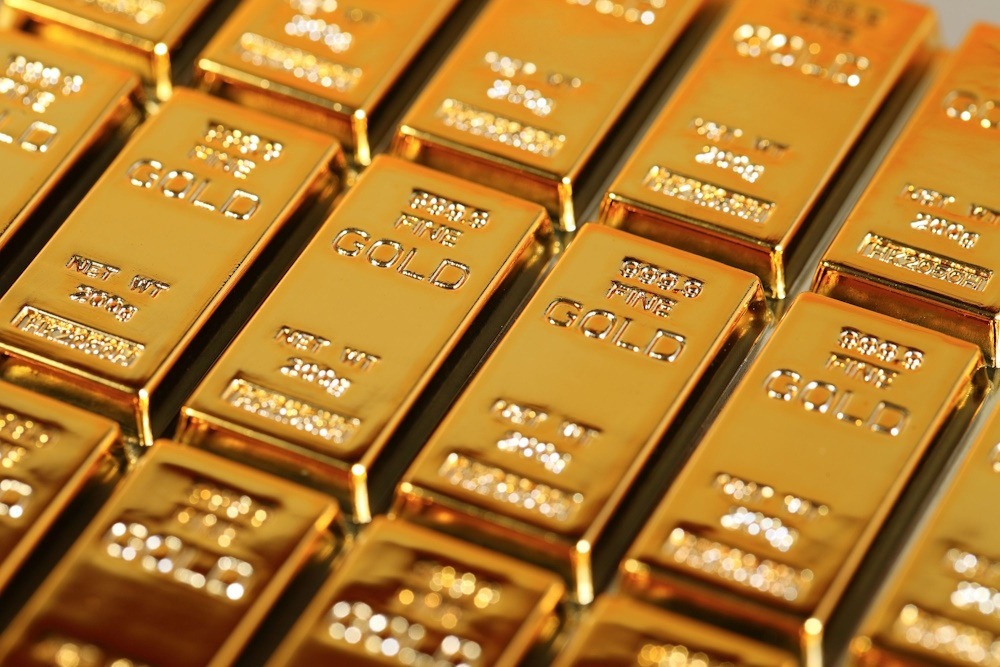
Gold prices experienced a decline of 0.89%, settling at Rs 1,35,447, primarily due to profit booking following an extraordinary rally. Nevertheless, the metal is poised for its most robust annual performance in over forty years. Gold has experienced a remarkable increase of nearly 70% this year, with momentum gaining traction following the implementation of global tariffs by U.S. President Donald Trump. This surge has been supported by ongoing geopolitical uncertainties, a series of U.S. interest rate reductions, robust purchasing by central banks, and consistent inflows into gold-backed exchange-traded funds.
The minutes from the Federal Reserve meeting reveal that a majority of policymakers are still leaning towards additional easing measures should inflation show signs of further decline, though there are ongoing disagreements about the appropriate timing and magnitude of potential rate reductions.
Persistent ambiguity regarding the Russia–Ukraine conflict, escalating tensions in the Middle East, and ongoing frictions between the U.S. and Venezuela have sustained the demand for safe-haven assets. The dynamics of the physical market exhibited a mixed performance. In November, China’s net gold imports through Hong Kong surged by 101.5% month-on-month, reaching 16.16 tonnes, indicative of heightened purchasing interest. In contrast, Indian gold discounts expanded to as much as $61 per ounce, marking the highest level in over six months, as elevated prices suppressed retail demand. Chinese discounts contracted significantly, whereas other Asian centers exhibited slight premiums or minor discounts.
From a technical perspective, the market is experiencing long liquidation, evidenced by a 2.67% decrease in open interest to 15,721, accompanied by a price drop of Rs 1,219. Gold exhibits immediate support at Rs 1,34,735; a decline beneath this level may lead to a test of Rs 1,34,030. Resistance is identified at Rs 1,36,250, and a breakthrough above this level could pave the way toward Rs 1,37,060.