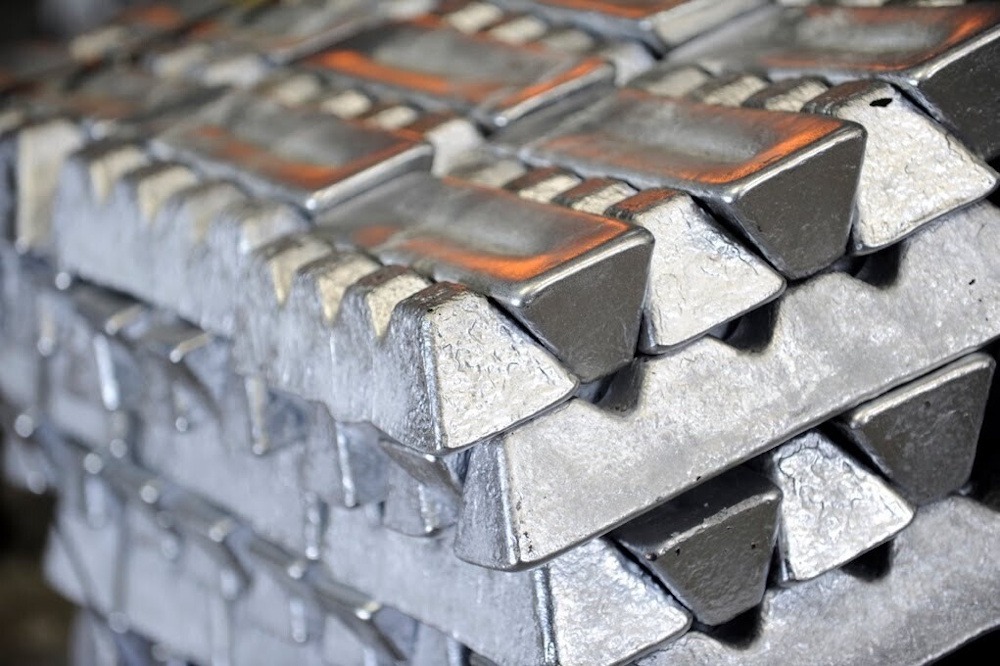
Aluminium prices concluded the trading session with an increase of 0.43%, reaching Rs 386.05. This rise is attributed to ongoing supply disruptions originating from the Middle East, a region that represents nearly 9% of the global smelting capacity. Ongoing geopolitical tensions in the region have continued to restrict output, with Gulf primary aluminium production declining significantly by 35% year-on-year in April to 330,000 metric tonnes, representing the lowest level in over a decade. Global primary aluminium output experienced a year-on-year decline of 2.1%, totalling 5.922 million tonnes. This decrease occurred alongside a 1.5% increase in Chinese production, underscoring the uneven dynamics present in global supply.
Supply tightness was further evidenced in market structure, as robust backwardation continued and the premium for cash aluminium over the three-month contract surged to a 19-year peak of approximately $84 per tonne. Analysts persist in highlighting expectations of significant supply deficits, with Citi forecasting that inventories will decline to unprecedented lows over the next 6 to 12 months, alongside a potential global deficit of 2.7 million tonnes this year, even in the context of moderate demand conditions. Major institutions such as CRU, BOFA, and Citi anticipate that aluminium prices will trend towards or exceed $4,000 per metric tonne in the period spanning late 2026 to 2027.
However, certain counterbalancing factors constrained potential gains. Aluminium inventories at the Shanghai Futures Exchange increased by 3.3% week-on-week, suggesting a short-term accumulation of stock. China’s output exhibited resilience, rising 3.1% in April to 3.87 million metric tonnes, bolstered by robust smelting margins. Concurrently, exports experienced a notable surge of 15% year-on-year, indicative of a competitive stance in the global market amidst ongoing trade and supply challenges. Imports also increased by 6.9%, indicating a balanced yet dynamic trade environment.
On the demand and logistics front, supply disruptions in the Middle East persisted in bolstering sentiment, although the recovery observed at facilities such as EGA’s Jebel Ali smelter suggested a degree of partial normalisation. Japanese port inventories decreased by 10.8%, highlighting the constrained regional supply situation. Technically, the market is experiencing short covering, evidenced by a 2.2% decline in open interest to 2,715 lots, coinciding with a rise in prices. Support is positioned at Rs 384.6, with an additional level at Rs 383, whereas resistance is identified at Rs 387.3 and Rs 388.4.