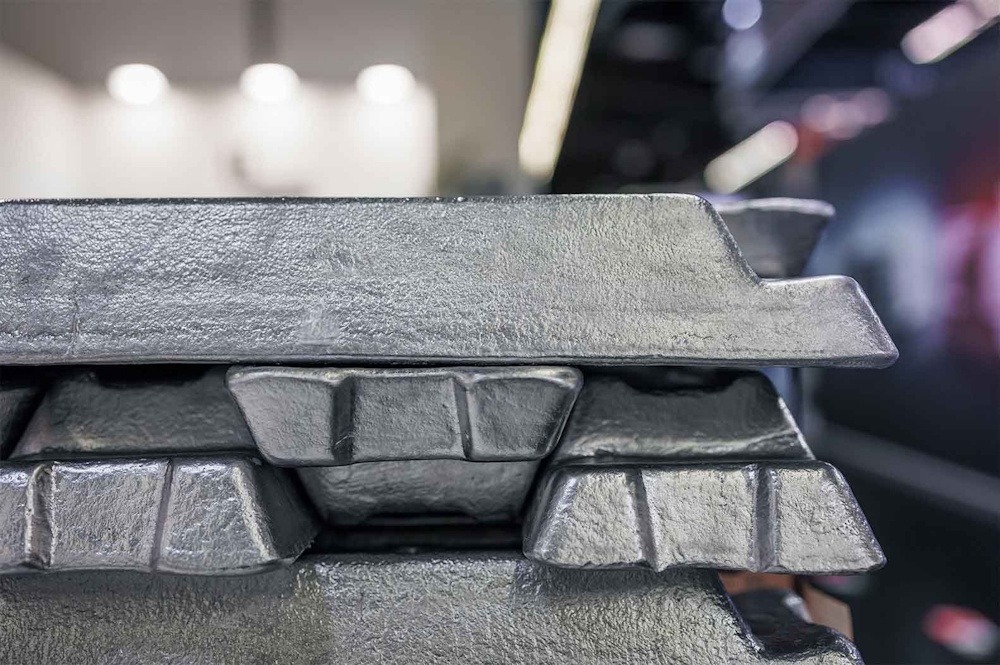
Aluminium prices experienced a decline of 2.05%, settling at Rs 377.4. This decrease was influenced by the easing of geopolitical tensions following an agreement between Iran and Israel to cease attacks, which alleviated concerns regarding potential supply disruptions in the near term. Market participants exhibited a degree of caution as Tehran persisted in imposing restrictions on the majority of shipping activities through the Strait of Hormuz, a vital corridor for global commodity trade. The reduction in risk premiums led to profit-taking throughout the metals sector, exerting downward pressure on aluminium prices. Despite the decline, persistent supply-side concerns remain a source of medium-term support.
Gulf aluminium producers are strategically engaging in overseas acquisitions to diversify their supply chains and mitigate exposure to regional geopolitical risks. Production disruptions continue to be substantial, as Emirates Global Aluminium’s primary smelter is anticipated to take as long as a year to achieve full capacity, whereas operations at Bahrain’s ALBA smelter are still partially halted. Additionally, Guinea’s tighter controls on bauxite exports have raised concerns regarding the availability of raw materials for global aluminium producers. China maintained a significant presence in the market, as aluminium exports exhibited robust performance. In May, exports of unwrought aluminium and related products experienced a year-on-year increase of 5.68%, reaching 632,000 metric tonnes.
Furthermore, shipments over the initial five months of 2026 rose by 10.4%, totalling 2.69 million tonnes. Domestic production exhibited resilience, as China’s aluminium output increased by 3.1% in April, reaching 3.87 million metric tonnes, bolstered by advantageous profit margins. Meanwhile, aluminium inventories at major Japanese ports decreased by 10.8%, indicating robust regional demand conditions. Globally, primary aluminium production exhibited varied trends. Output in the Gulf region experienced a significant decline as a result of operational disruptions, whereas production in China maintained its upward trajectory.
The International Aluminium Institute reported a 2.1% decline in global primary aluminium output during April compared to the previous year. Technically, the market is experiencing long liquidation, evidenced by a 10.19% decline in open interest to 3,402 lots, coinciding with a decrease in prices. Immediate support is observed at Rs 373.0, with additional downside potential extending towards Rs 368.6. Resistance is positioned at Rs 384.6, and a breach above this threshold may initiate a recovery towards Rs 391.8.