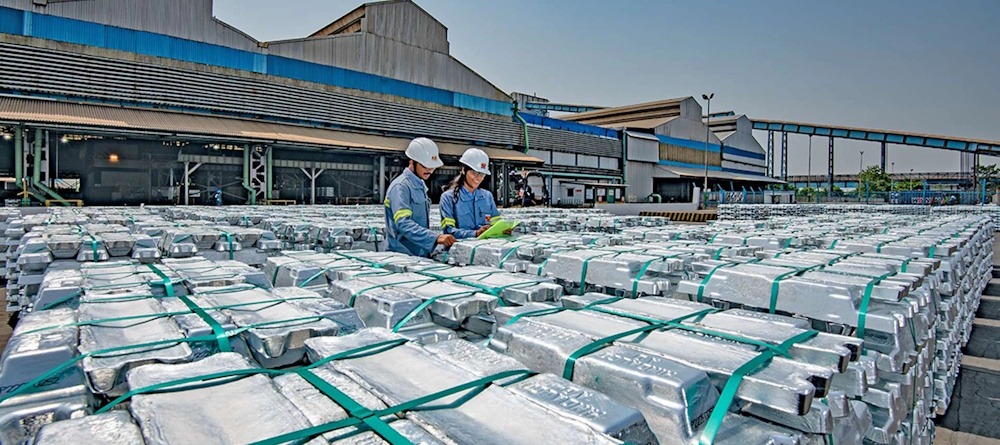
Aluminium prices experienced significant selling pressure, closing 4.92% lower at Rs 356.8. The easing of geopolitical tensions in the Middle East has alleviated concerns regarding supply disruptions and enhanced export prospects from key Gulf producers. Market sentiment showed signs of deterioration following the announcement from U.S. and Iranian officials regarding a framework agreement aimed at concluding hostilities and reopening the Strait of Hormuz, which is a vital shipping route for the global aluminium trade. The expectation of improved logistics and more efficient exports from the Gulf region led to profit-taking throughout the aluminium market, diminishing the risk premium that had bolstered prices in recent months.
Despite the decline, several supply-side concerns persist, supporting the overall market outlook. Norsk Hydro has announced a second force majeure regarding aluminium sales from its Qatalum joint venture in Qatar, subsequent to the termination of a marketing agreement. Production challenges continue to affect the Gulf region, as Emirates Global Aluminium’s flagship smelter is anticipated to take up to a year to achieve full capacity. Meanwhile, Bahrain’s ALBA is still operating below normal levels. Furthermore, Guinea’s stricter regulations on bauxite exports have sparked worries regarding the availability of raw materials.
Supporting the longer-term outlook, J.P. Morgan maintained a positive stance, projecting aluminium prices could average $3,750 per metric tonne in the second half of the year and eventually move towards $4,000. China continued to play a significant role in influencing market dynamics. The country’s unwrought aluminium and product exports experienced a year-on-year increase of 5.68% in May, reaching 632,000 tonnes. Additionally, exports for the initial five months of 2026 saw a rise of 10.4%. Domestic production also demonstrated resilience, with April output increasing by 3.1% year-on-year to 3.87 million tonnes, bolstered by advantageous producer margins.
Technically, the market is experiencing long liquidation, as open interest has decreased by 23.75% to 2,382 contracts, accompanied by a significant decline in prices. Aluminium has immediate support at Rs 348.8, followed by Rs 340.8. Resistance is identified at Rs 370.0, and a breakthrough above this threshold may initiate a rebound towards Rs 383.2.