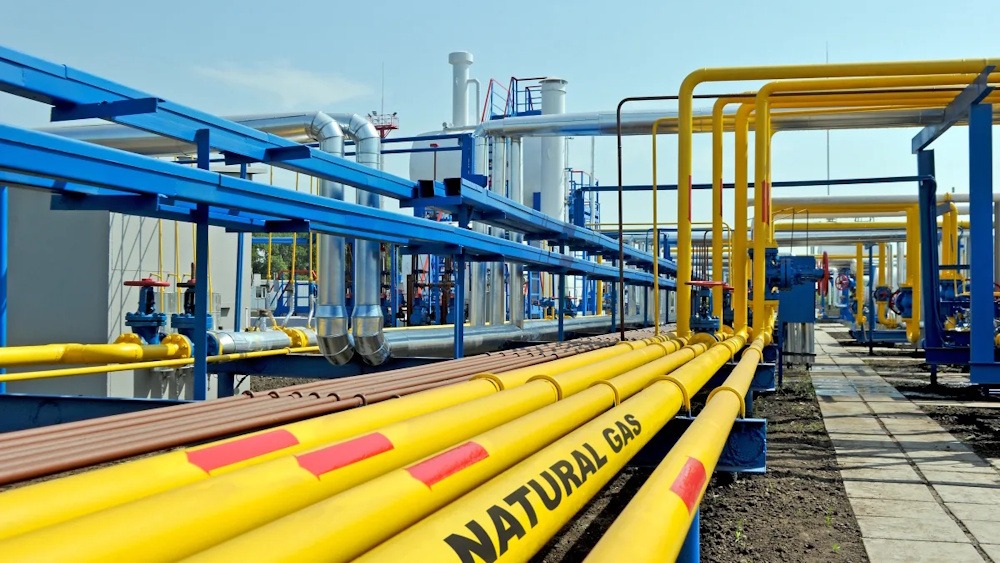
Natural gas settled 0.3% higher at Rs 270.5, buoyed by rising oil prices and anticipated stronger demand in the forthcoming fortnight. However, the increase was tempered by near-record production levels in the US and a storage injection that exceeded expectations. As of August 28, US petrol inventories stood 5.2% above the five-year seasonal average. Meanwhile, output from the Lower 48 states rose to 112.9 bcfd in September, up from August’s record monthly level of 112.2 bcfd, underscoring ongoing supply pressures.
However, elevated temperatures throughout the South and Southeast until September 18 are anticipated to maintain air-conditioning demand and bolster gas consumption in the power sector. Gas flows to nine major US LNG export facilities rose to 18.1 bcfd in September, up from 17.2 bcfd in August. This increase is driven by heightened demand for LNG in Europe and Asia, as buyers seek to substitute disrupted supplies from the Middle East and gear up for the winter season.
US energy firms increased storage by 40 bcf during the week ending September 4, surpassing the anticipated 31-bcf build and the five-year average injection of 52 bcf for this timeframe. Total inventories reached 3.254 tcf, which is 2.4% lower than the previous year but 4.8% higher than the five-year average. The EIA anticipates an increase in US dry gas production from 107.6 bcfd in 2025 to 111.2 bcfd in 2026, reaching 116.0 bcfd in 2027. Concurrently, domestic consumption is expected to be 92.0 bcfd in 2026 and 94.8 bcfd in 2027. LNG exports are projected to rise to 17.4 bcfd in 2026 and 18.6 bcfd in 2027.
Technically, the market is experiencing short covering, as evidenced by a 3.26% decline in open interest to 56,751, while prices increased by Rs 0.8, suggesting a reduction in bearish positioning. Natural gas is currently finding support at Rs 266.6; a breach of this threshold may result in a decline to Rs 262.6. Resistance is positioned at Rs 272.7, and a sustained movement above this level could propel prices toward Rs 274.8.