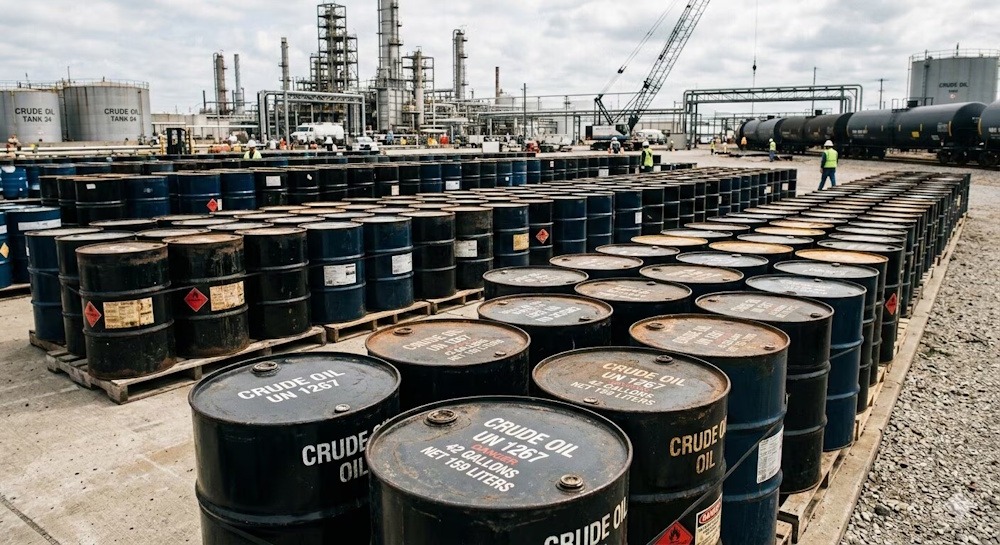
Crude oil experienced a significant increase, closing 6.97% higher at Rs 8,308, propelled by a renewed escalation in tensions between the U.S. and Iran. The circumstances deteriorated following assaults on commercial vessels in the Strait of Hormuz, as both parties engaged in targeting ships, thereby significantly impeding traffic along this vital corridor. The recent U.S. seizure of vessels linked to Iran, coupled with Tehran’s retaliatory actions, has heightened apprehensions regarding potential extended supply disruptions.
Simultaneously, the ongoing uncertainty surrounding forthcoming peace negotiations persists in contributing to market volatility. The effects on the supply side are already apparent. OPEC data indicated a notable decline in Saudi Arabia’s oil supply, which fell to 7.76 million barrels per day in March, marking the lowest level since mid-2020. This trend was mirrored by similar reductions in Iraq, Kuwait, and the UAE.
The current turmoil in the Strait of Hormuz has compelled producers to reduce output, thereby constraining global supply. In alignment with this narrative, U.S. crude inventories decreased by 0.91 million barrels, and gasoline and distillate stocks experienced larger-than-anticipated declines, suggesting robust demand. Meanwhile, China’s crude imports exhibited robustness, especially from Russia and Brazil, underscoring resilient global consumption. OPEC has revised its Q2 global demand forecast downward, albeit marginally, in light of geopolitical uncertainties.
From a technical perspective, the market is experiencing short covering, as evidenced by a significant decline in open interest of 46.7%. Immediate support is identified at Rs 8,128, with additional downside potential at Rs 7,947. On the upside, resistance is positioned at Rs 8,439, and a breakout beyond this threshold could propel prices toward Rs 8,569.