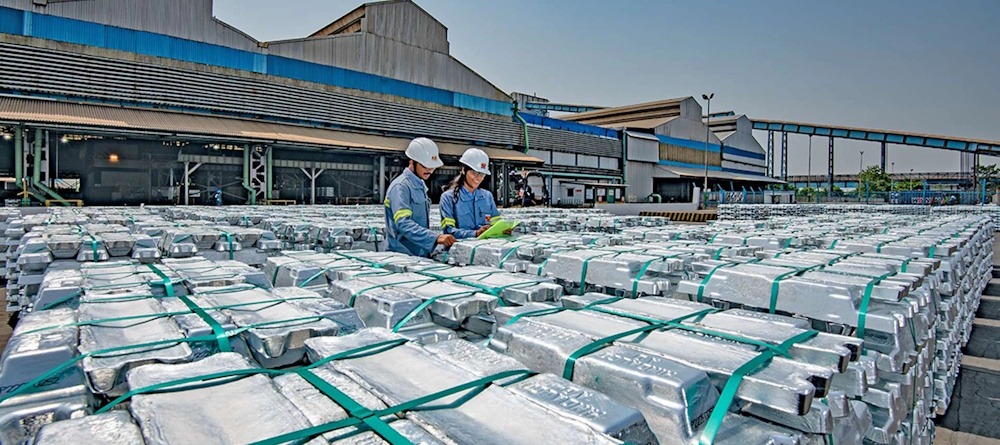
Aluminium prices increased by 0.98% to close at Rs 387.5, driven by ongoing worries regarding constricted global supplies and robust indicators of industrial demand emerging from China. Market sentiment continued to be bolstered by concerns regarding diminished aluminium production from Gulf producers, stemming from persistent geopolitical tensions associated with the Iran conflict. The Gulf region, which represents nearly 9% of global smelting capacity, continued to experience operational disruptions, thereby constraining immediate physical supply availability across global markets.
Additional support emerged from the reduction in inventories on the London Metal Exchange, where the available aluminium stocks fell to a one-year low of 259,625 tonnes due to recent cancellations in Malaysian warehouses. Tightness in nearby supply was also reflected in elevated LME cash premiums, with the cash contract premium over the three-month benchmark remaining near multi-year highs of approximately $84 per tonne. Increasing alumina prices have bolstered optimistic sentiment. Alumina futures on the Shanghai Futures Exchange experienced a significant increase of nearly 5%, reaching their highest level since early May. This surge is attributed to rising concerns over bauxite supply from Guinea, recognised as the world’s largest bauxite producer.
Guinea is reportedly contemplating the implementation of export quotas for mining companies in response to escalating shipping costs, with the policy anticipated to be finalised in June. These developments intensified fears over raw material availability for aluminium smelters globally. China maintained robust demand support for the market. Industrial profits in April experienced their most rapid growth since November 2023, with both aluminium imports and exports demonstrating considerable strength. China’s aluminium production increased by 3.1% year-on-year to 3.87 million metric tonnes in April, while exports of unwrought aluminium and related products surged by 15%, achieving the highest monthly level in over a year.
Meanwhile, Gulf aluminium production experienced a significant decline of 35% year-on-year in April, as reported by the International Aluminium Institute, underscoring the severe supply disruptions affecting the region. Technically, the market experienced new buying activity as open interest rose by 1.01% to reach 4,119 lots. Aluminium is holding support at Rs 384.7 and Rs 382, while resistance is seen at Rs 389 followed by Rs 390.6.