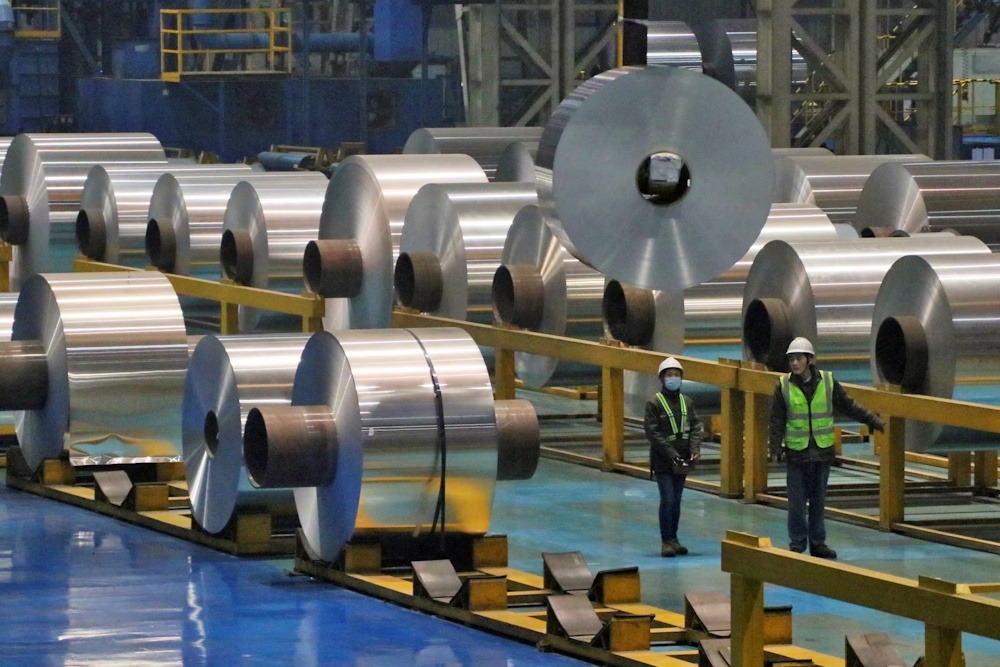
Aluminium prices concluded the trading session with an increase of 0.6% at Rs 378, reflecting persistent apprehensions regarding supply disruptions associated with the ongoing conflict in the Middle East. The ongoing conflict has had a significant impact on the exports of aluminium from Gulf producers, as well as the imports of essential raw materials. Additionally, reports indicate that two regional smelters were affected by Iranian strikes in late March. Market sentiment exhibited resilience following CRU’s forecast that global aluminium prices are expected to maintain levels exceeding $4,000 per metric ton from the third quarter of 2026 through the second quarter of 2027. Further backing was provided by robust manufacturing activity data from China, which bolstered expectations for consistent industrial demand.
Supply tightness in the physical market persisted in bolstering prices, even in the face of increasing exchange inventories. Aluminium inventories tracked by the Shanghai Futures Exchange increased by 2% to reach 492,728 tons, marking the highest level observed in six years. Nevertheless, persistent weekly outflows of 8,825 tonnes underscored robust spot demand and a constriction in availability. Japanese port inventories experienced a decline of 7.4%, reaching 279,800 metric tons. Concurrently, Japanese buyers consented to pay premiums ranging from $350 to $353 per metric ton for second-quarter shipments, marking the highest level observed in 11 years.
BOFA has revised its price forecast for aluminium to $4,000 for the fourth quarter of 2026. Meanwhile, JP Morgan anticipates an average price of approximately $3,500 per metric ton in the latter half of 2026, driven by an expected global deficit of 1.9 million tons. In March, China’s aluminium imports experienced a year-on-year increase of 6.9%, while exports saw a notable surge of 15% in April. This uptick in exports can be attributed to the tighter supply conditions abroad, which were influenced by disruptions in the Strait of Hormuz.
From a technical perspective, the market is experiencing new buying activity, evidenced by a 1.32% rise in open interest to 3374, alongside a price increase of Rs 2.25. Aluminium is currently finding support at Rs 374.8; should prices fall below this level, they may approach Rs 371.7. Conversely, resistance is identified at Rs 380, with a potential upward movement likely to challenge the Rs 382.1 level.