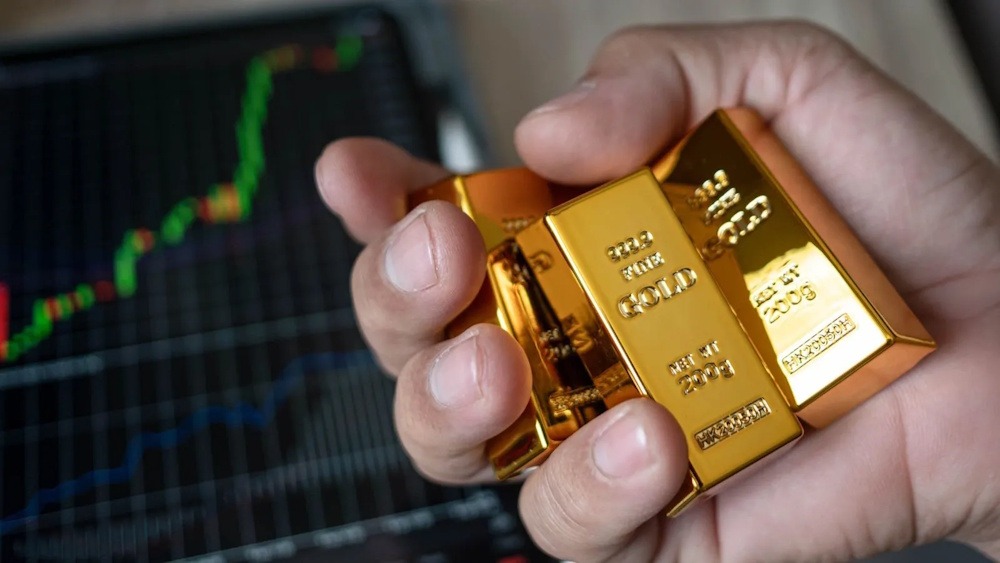
Gold prices exhibited an increase, concluding the session up by 0.95% at Rs 154,609, buoyed by a reduction in geopolitical tensions following Iran’s reopening of the Strait of Hormuz. The development prompted a significant correction in crude oil prices, resulting in a decline exceeding 10%. This adjustment contributed to alleviating immediate inflation worries and enhancing overall market sentiment. Anticipations surrounding a possible US–Iran agreement have diminished fluctuations in safe-haven demand while simultaneously bolstering gold by alleviating expectations of monetary tightening.
On the macro front, inflationary pressures continue to be persistent, as U.S. consumer prices have experienced the most significant increase in almost four years, heightening concerns that the Federal Reserve might uphold a hawkish stance. The minutes from the Federal Reserve meeting revealed that a number of policymakers continue to perceive the necessity for interest rate increases to manage inflation exceeding the 2% target.
Meanwhile, China maintained its support for the market, as the People’s Bank of China prolonged its gold acquisitions for the 17th consecutive month, increasing its holdings by 160,000 ounces in March. Trends in physical demand exhibited a varied landscape. India experienced muted purchasing activity attributed to high domestic prices and interruptions in imports, whereas Chinese premiums held steady yet displayed a slight decline, reflecting a prudent demand outlook. On a global scale, central bank acquisitions continued to provide support, with net purchases amounting to 25 tonnes reported in early 2026.
The market demonstrates a renewed appetite for purchasing, as evidenced by a 4.16% increase in open interest to 8,191 lots, coinciding with upward price movements. Gold maintains its support level at Rs 152,940, while additional declines are limited around Rs 151,265. On the upside, resistance is observed at Rs 155,895, and a breakout above this level may propel prices towards Rs 157,175.